
What Vaccinations Do Puppies Need in Allen, TX? A Complete Guide for New Pet Owners
Bringing a new puppy into your home is an exciting milestone—but it also comes with important responsibilities, especially when it comes to protecting your pet’s health. One of the most critical steps in early puppy care is following a proper vaccination schedule.
In Allen, TX and across North Texas, puppies face exposure to a variety of contagious diseases that can be serious or even life-threatening if left unprotected. Vaccinations play a vital role in helping your puppy build immunity during their most vulnerable stages of development.
This guide explains which vaccinations puppies need, when they should receive them, why certain vaccines are required by law, and how a personalized vaccination plan supports long-term health. It also helps new pet owners understand how veterinary guidance ensures safe, effective immunization tailored to local risk factors.
Why Puppy Vaccinations Are So Important
Puppies are born with immature immune systems. While they receive some antibodies from their mother, that protection fades quickly—often before the puppy is old enough to fight off infections on their own.
Vaccinations:
- Help prevent life-threatening diseases
- Reduce the spread of contagious illnesses
- Protect other pets and people in the community
- Support long-term immune system health
Without proper vaccination, even common exposures—such as parks, grooming facilities, or boarding—can pose serious risks.
When Do Puppy Vaccinations Begin?
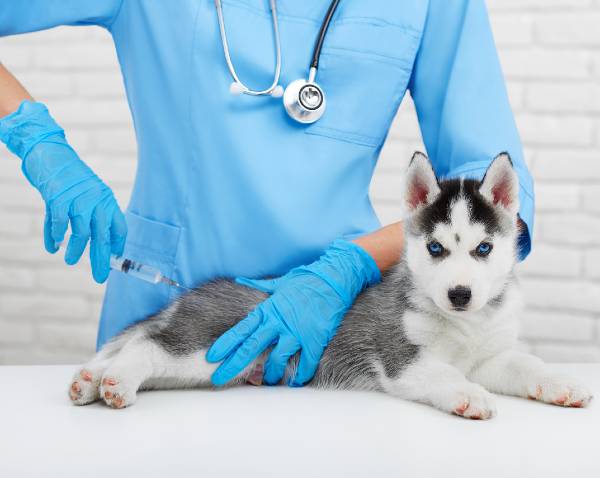
Most puppies begin vaccinations at around 6–8 weeks of age, depending on their health status and background. Early veterinary visits are essential for establishing a baseline of care and determining the safest schedule.
Puppy vaccines are not given all at once. Instead, they are administered in a series of boosters, allowing the immune system to build lasting protection over time.
Core Vaccines Recommended for Puppies
Core vaccines are considered essential for all dogs, regardless of lifestyle. These vaccines protect against diseases that are widespread, highly contagious, or pose a risk to human health.
DA2PP Vaccine
The DA2PP vaccine is one of the most important immunizations for puppies. It protects against:
- Distemper – a highly contagious viral disease affecting the respiratory, gastrointestinal, and nervous systems
- Adenovirus (Hepatitis) – causes liver disease and can be fatal
- Parainfluenza – contributes to respiratory illness
- Parvovirus – a severe and often deadly gastrointestinal virus common in puppies
This vaccine is typically administered in a series of doses starting at around 8 weeks of age, with boosters given every few weeks until the puppy reaches about 16 weeks.
Rabies Vaccine
Rabies vaccination is required by Texas law and is essential for both pet and public safety. Rabies is a fatal disease that can be transmitted to humans, making vaccination legally and medically necessary.
Most puppies receive their first rabies vaccine between 12 and 16 weeks of age, followed by boosters according to state guidelines.
Non-Core Vaccines: Tailored to Your Puppy’s Lifestyle
Non-core vaccines are recommended based on a puppy’s environment, lifestyle, and exposure risk. While not every puppy needs every non-core vaccine, many dogs in Allen benefit from additional protection.
Bordetella (Kennel Cough)
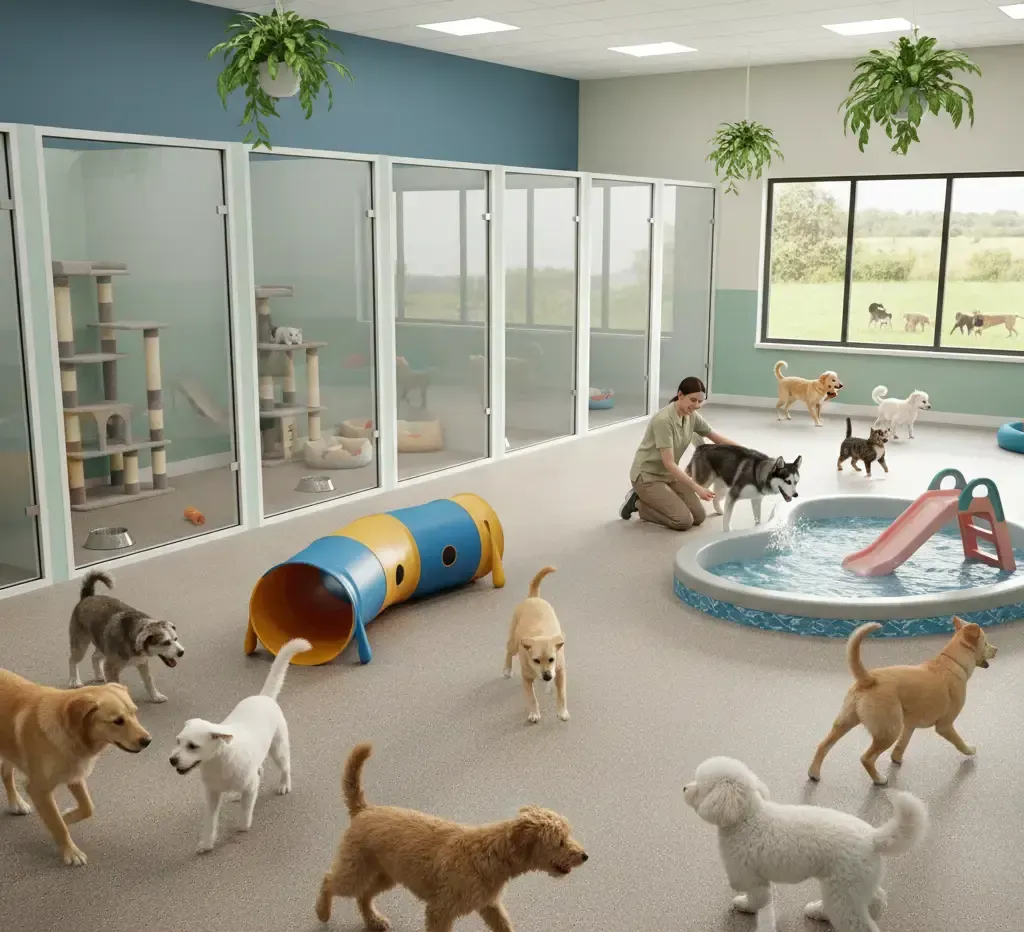
Bordetella is a highly contagious respiratory infection commonly spread in places where dogs interact closely, such as:
- Boarding facilities
- Daycare centers
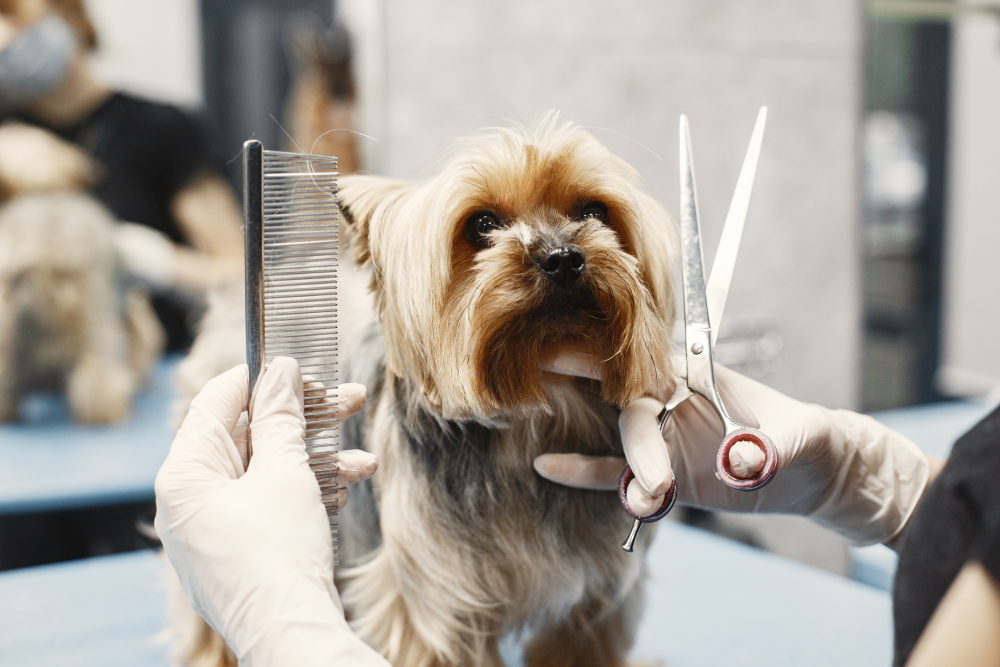
- Grooming salons
- Training classes
Annual Bordetella vaccination is often recommended for puppies who will socialize with other dogs.
Leptospirosis
Leptospirosis is a bacterial disease spread through contaminated water, soil, or wildlife urine. It can affect both dogs and humans and is more common in areas with standing water or wildlife exposure.
In North Texas, leptospirosis vaccination may be recommended depending on:
- Outdoor activity levels
- Proximity to wildlife
- Local exposure risks
Why Puppy Vaccination Schedules Are Not One-Size-Fits-All
Every puppy is unique. Breed, age, health history, environment, and lifestyle all influence vaccination decisions.
Veterinary professionals evaluate:
- Your puppy’s current health
- Local disease prevalence
- Household risk factors
- Planned activities (boarding, travel, training)
This personalized approach ensures your puppy receives the right protection without unnecessary vaccinations.
The Role of Veterinary Expertise in Safe Vaccination
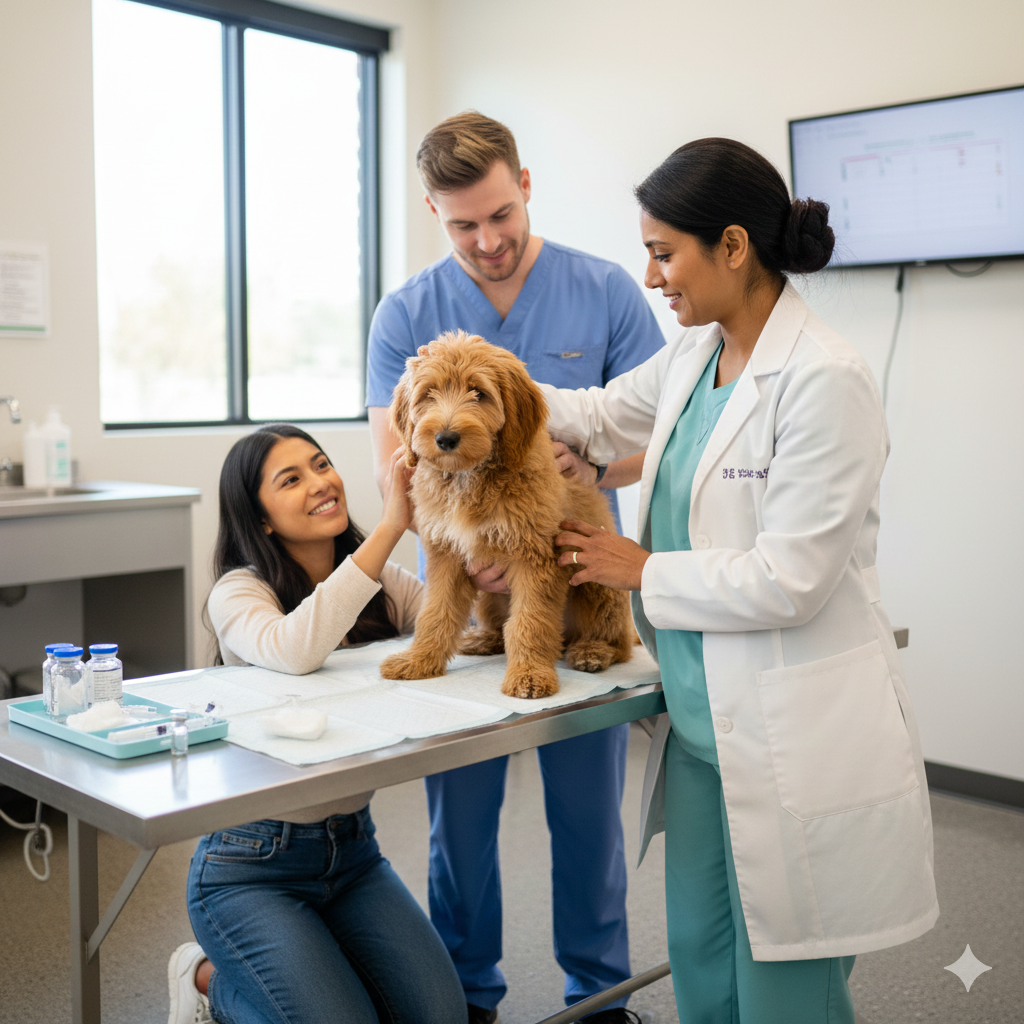
Vaccinations are not just about administering shots—they involve careful timing, proper dosing, and medical oversight.
Veterinary teams monitor:
- Your puppy’s response to vaccines
- Potential side effects
- Overall wellness during development
This clinical oversight ensures vaccinations are safe, effective, and appropriate for your puppy’s stage of growth.
Common Questions New Puppy Owners Have About Vaccines
Are Puppy Vaccines Safe?
Yes. Puppy vaccines are extensively tested and widely used. While mild side effects such as temporary soreness or low energy can occur, serious reactions are rare.
Veterinary staff are trained to identify and manage any adverse responses.
Can Puppies Go Outside Before Completing Vaccinations?
Limited outdoor exposure may be safe, but puppies should avoid:
- Dog parks
- High-traffic pet areas
- Unknown dogs
Your veterinarian can provide guidance on safe socialization during the vaccination process.
What Happens If Vaccinations Are Delayed?
Delaying vaccinations increases your puppy’s risk of contracting preventable diseases. Missed boosters may require restarting portions of the vaccine series, delaying full protection.
Why Local Veterinary Care Matters in Allen, TX
Disease risks vary by region. Working with a local veterinary team ensures vaccination recommendations reflect the specific conditions puppies face in Allen and surrounding areas.
At Country Creek Animal Hospital, vaccination protocols are developed with North Texas exposure risks in mind, helping puppies receive protection tailored to their environment.
You can learn more about their approach to preventive care by visiting the main website at Country Creek Animal Hospital.
How Pet Vaccinations Support Long-Term Health
Vaccinations are an investment in your puppy’s future health. Preventing disease early can help avoid:
- Emergency veterinary visits
- Long-term complications
- Costly treatments
- Reduced quality of life
A strong vaccination foundation supports a healthier, more active life for your pet.
Wellness-Focused Care Beyond Vaccinations
Vaccination visits also provide an opportunity to monitor overall development. During puppy wellness appointments, veterinarians assess:
- Growth and weight
- Dental development
- Nutrition needs
- Parasite prevention
- Behavioral milestones
This comprehensive approach ensures puppies receive holistic care—not just immunizations.
When to Schedule Your Puppy’s First Vet Visit
Ideally, puppies should be seen by a veterinarian within the first week of coming home. Early visits allow for:
- Establishing a vaccination timeline
- Identifying health concerns early
- Building a trusted relationship with your veterinary team
Early care sets the stage for lifelong wellness.
Pet Vaccination Services in Allen, TX
Country Creek Animal Hospital provides compassionate, wellness-focused vaccination services designed to protect puppies through every stage of development. Their team emphasizes:
- Personalized vaccine plans
- Clear communication with pet owners
- Safe, evidence-based protocols
You can explore their full pet vaccination services to learn how they support preventive care for dogs and puppies in Allen, TX.
Final Thoughts: Giving Your Puppy the Best Start
Puppy vaccinations are one of the most important steps you can take to protect your pet’s health. By following a properly timed, veterinarian-guided vaccination schedule, you help safeguard your puppy from serious diseases while supporting healthy development.
Working with a trusted local veterinary team ensures your puppy receives the right care at the right time—setting the foundation for a happy, healthy life.