
Country Creek Animal Hospital News
Pet Tips & Tricks
Country Creek Animal Care Blog
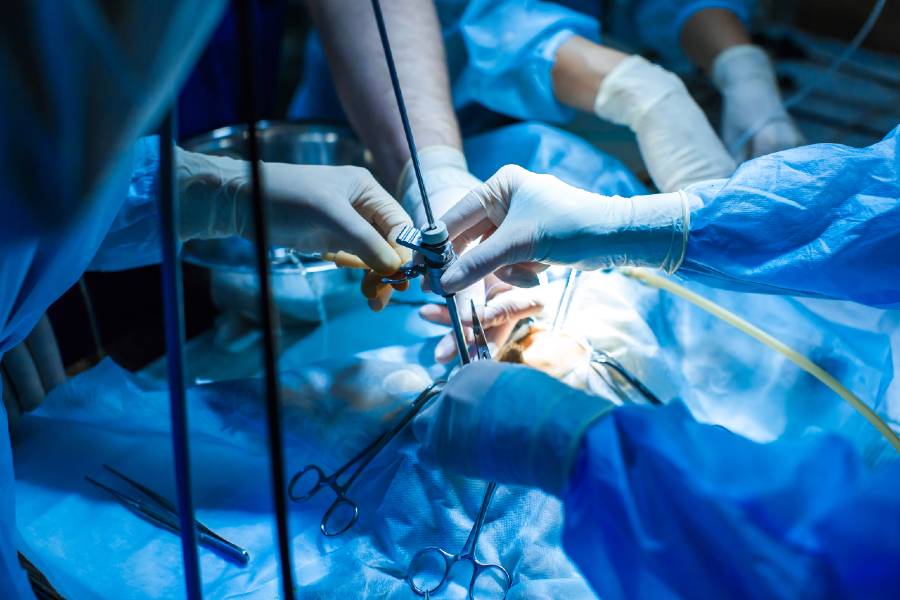
If you are a pet owner in Allen, TX, you want the best care for your furry friends. At Country Creek Animal Hospital, we understand how important it is to keep your pets healthy and happy. One of the most important procedures for cats and dogs is a spay or neuter surgery. These surgeries are not only safe but also help your pets live longer, healthier lives. In this article, we will explain everything you need to know about spaying and neutering, how it is performed at our hospital, and why it is important for your pet and your community. What is a Spay Procedure? A spay procedure, also called an ovariohysterectomy, is a surgery performed on female pets to remove their ovaries and uterus. This procedure prevents your pet from becoming pregnant. Spaying has many benefits for your pet, including: Preventing unwanted pregnancies: Helps control the pet population in Allen, TX. Reducing health risks: Spaying lowers the chance of uterine infections and breast tumors. Behavior improvements: Female pets often become calmer after spaying. At Country Creek Animal Hospital, our skilled veterinarians perform spay surgeries with the highest level of care. Our team ensures your pet is comfortable before, during, and after surgery. What is a Neuter Procedure? A neuter procedure, also called castration, is surgery for male pets. During this surgery, the testicles are removed, which stops your pet from fathering puppies or kittens. The benefits of neutering include: Reduced aggression: Neutered pets are often calmer and less likely to roam. Health benefits: Lowers the risk of testicular cancer and prostate problems. Behavioral improvements: Helps reduce marking and other undesirable behaviors. Our veterinarians at Country Creek Animal Hospital use safe anesthesia and advanced surgical techniques to ensure a smooth procedure and quick recovery. Preparing Your Pet for Surgery Before a spay or neuter surgery, proper preparation is important. Here is what pet owners in Allen, TX should do: Fasting: Pets usually should not eat for 8-12 hours before surgery. Pre-surgery exam: Our veterinarians check your pet’s health to ensure they are fit for anesthesia. Discuss medical history: Inform us of any allergies or medications your pet is taking. By preparing your pet correctly, we can ensure a safer surgery and faster recovery. The Spay/Neuter Procedure at Country Creek Animal Hospital At Country Creek Animal Hospital , every step of your pet’s surgery is handled with care and expertise. Here’s what you can expect: Initial Check-in: Our friendly staff welcomes you and your pet to our Allen, TX clinic. Anesthesia: We carefully administer anesthesia and monitor your pet’s vital signs throughout the surgery. Surgery: Our trained veterinarians perform the spay or neuter using safe, sterile techniques. Recovery Monitoring: After surgery, pets are closely monitored in a calm environment to ensure they wake safely from anesthesia. Discharge Instructions: We provide clear instructions for home care, including feeding, activity restrictions, and wound care. Why Choose Country Creek Animal Hospital in Allen, TX? Choosing the right veterinary hospital for your pet’s spay or neuter procedure is important. At Country Creek Animal Hospital, we combine expertise, authority, and trustworthiness to provide the highest quality care. Experienced Veterinarians: Our team has years of experience performing spay and neuter surgeries safely. Modern Facilities: We use advanced surgical equipment and anesthesia monitoring. Personalized Care: Every pet is treated as a member of our extended family. Community Trusted: Residents of Allen, TX, rely on us for preventive care, vaccinations, and emergency services. Our goal is to make surgery safe, comfortable, and stress-free for both pets and owners. Recovery and Post-Operative Care After a spay or neuter surgery, proper care at home is essential. Here are some tips: Rest: Keep your pet calm and prevent jumping or running for at least a week. Monitor the incision: Check for redness, swelling, or discharge. Contact us immediately if you notice anything unusual. Pain management: Follow our veterinarian’s instructions for any prescribed medications. Follow-up appointments: Bring your pet back for suture checks and progress evaluation. With proper care, most pets recover quickly and resume normal activities within a few days. Benefits of Spay and Neuter for the Community Spaying and neutering your pet does more than help individual animals. It benefits the entire community of Allen, TX: Population control: Reduces the number of homeless pets. Health improvement: Decreases the spread of certain diseases. Behavior improvement: Leads to safer neighborhoods with fewer roaming animals. Responsible pet ownership: Encourages caring and informed pet practices. By choosing Country Creek Animal Hospital for your pet’s surgery, you are supporting a healthier, happier community. Testimonials and Trust Signals Our clients in Allen, TX frequently praise our spay and neuter services: "The team at Country Creek made my dog’s surgery stress-free. They explained every step and checked on her constantly. Highly recommend!" – Sarah L. "Professional, caring, and trustworthy. My cat recovered quickly after her spay surgery. I’m grateful to Country Creek Animal Hospital." – Mark D. These stories show our commitment to expertise, authority, and trustworthiness in pet care. Scheduling Your Pet’s Spay/Neuter Appointment Scheduling a spay or neuter at Country Creek Animal Hospital is simple: Call us at our Allen, TX clinic to speak with our friendly staff. Book online via our website https://www.countrycreekvets.com/ . Ask questions about pre-surgery instructions, costs, and recovery tips. Our goal is to make your pet’s surgery safe, comfortable, and stress-free. Don’t wait—schedule your pet’s appointment today! Conclusion A spay or neuter procedure is one of the most responsible decisions a pet owner can make. At Country Creek Animal Hospital in Allen, TX, our experienced veterinarians provide safe, expert care from start to finish. Spaying or neutering improves your pet’s health, behavior, and overall quality of life. By choosing us, you are choosing expert care, trust, and a commitment to your pet’s wellbeing. Call us or visit https://www.countrycreekvets.com/ to schedule your pet’s spay or neuter procedure today. Your pet deserves it, and so do you!
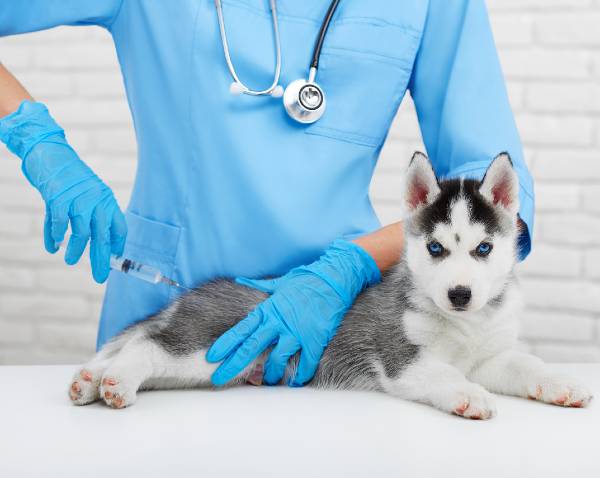
At Country Creek Animal Hospital, we understand that pets are more than just animals—they are cherished members of your family. Located in Allen, TX, our veterinary team is dedicated to providing compassionate and professional care for cats, dogs, and other pets. One of the most important ways to keep your pets healthy is through routine vaccinations. Vaccinations protect pets from serious diseases and help ensure they live long, happy lives. Scheduling a pet vaccination appointment at our hospital is simple and straightforward. In this guide, we will explain the step-by-step process, the benefits of vaccinations, the types of vaccines your pets may need, and why Country Creek Animal Hospital is the trusted choice for pet care in Allen, TX. Why Pet Vaccinations Are Important Vaccinations are essential to your pet’s health. They help prevent diseases like rabies, parvovirus, distemper, and feline leukemia. By vaccinating your pet, you not only protect them but also protect other pets and your family. Our veterinarians at Country Creek Animal Hospital are experienced in providing vaccines safely and effectively. We use high-quality vaccines and follow veterinary best practices, ensuring that each pet receives the care they need without unnecessary stress. Types of Vaccines Offered At Country Creek Animal Hospital , we provide a wide range of vaccines based on your pet’s age, breed, lifestyle, and health condition. These include: Core Vaccines for Dogs: Distemper, Parvovirus, Adenovirus, Rabies Core Vaccines for Cats: Feline Viral Rhinotracheitis, Calicivirus, Panleukopenia, Rabies Non-Core Vaccines: Depending on risk factors, your pet may also need vaccines like Bordetella (kennel cough), Lyme disease, or Leptospirosis. Our veterinarians take the time to personalize vaccination schedules for each pet, ensuring they receive maximum protection with minimum discomfort. How to Schedule a Pet Vaccination Appointment Scheduling an appointment at Country Creek Animal Hospital is easy and convenient. Follow these steps: Step 1: Contact Our Clinic You can reach us by phone or email. Our friendly staff will help you choose a date and time that works best for you and your pet. Step 2: Provide Pet Information Let us know about your pet’s age, breed, medical history, and any previous vaccinations. This helps our veterinarians determine which vaccines your pet needs. Step 3: Confirm Your Appointment Once we have all the details, our staff will confirm your appointment. We may also provide instructions on how to prepare your pet for the visit. Step 4: Visit Our Hospital Bring your pet to our Allen, TX location at the scheduled time. Our team will handle the vaccination carefully and professionally, making sure your pet feels safe and comfortable. Step 5: Follow-Up Some vaccines require booster shots. Our team will guide you on when to return and how to keep your pet’s vaccinations up-to-date. What to Expect During the Appointment At Country Creek Animal Hospital, we strive to make every visit stress-free and positive. When you bring your pet in for a vaccination appointment: Our licensed veterinarians will review your pet’s medical history. We will perform a quick health check to ensure your pet is healthy enough for vaccination. We administer the vaccine safely and gently. We provide aftercare instructions and tips to watch for any side effects. Our goal is to ensure that every pet leaves happy and healthy. Why Choose Country Creek Animal Hospital in Allen, TX Choosing a veterinary clinic is about trust, experience, and care. Here’s why pets and owners in Allen, TX trust Country Creek Animal Hospital: Experienced Veterinarians: Our team has years of training and experience in preventive care, vaccinations, and emergency services. Compassionate Staff: We treat every pet like our own, creating a friendly and welcoming environment. Advanced Facilities: Our clinic is equipped with modern technology for accurate diagnosis and safe vaccinations. Comprehensive Care: We provide everything from routine check-ups to surgical procedures, ensuring your pet’s health and well-being. Benefits of Keeping Your Pet Vaccinations Up-to-Date Regular vaccinations are more than a requirement—they are a critical part of preventive healthcare. Benefits include: Disease Prevention: Protects pets from serious and sometimes fatal illnesses. Reduced Veterinary Costs: Preventing disease is cheaper than treating it. Community Safety: Prevents the spread of diseases like rabies. Peace of Mind: Knowing your pet is protected lets you focus on enjoying time together. Our veterinarians at Country Creek Animal Hospital ensure your pet’s vaccination schedule is customized for optimal protection. Common Questions About Pet Vaccinations Q: How often should my pet get vaccinated? A: Vaccination schedules depend on your pet’s age, species, lifestyle, and health status. Our veterinarians create a personalized plan for each pet. Q: Are vaccines safe for my pet? A: Yes. All vaccines at Country Creek Animal Hospital meet strict safety standards and are administered by licensed professionals. Q: What if my pet has a reaction to a vaccine? A: Most pets experience minimal side effects, such as mild soreness or lethargy. Our team provides clear instructions for monitoring and follow-up care. Preparing Your Pet for a Vaccination Appointment To make your pet’s visit comfortable: Bring medical records of previous vaccinations. Ensure your pet is calm and secure during travel. Follow any dietary or medication instructions provided by our staff. Ask questions—we are here to educate and guide pet owners. Convenient Scheduling Options We know life is busy. That’s why Country Creek Animal Hospital offers flexible appointment times to fit your schedule. You can: Call our Allen, TX clinic to book a time. Email our staff for appointment requests. Ask about routine wellness visits that include vaccinations. Supporting Pet Health Beyond Vaccinations At Country Creek Animal Hospital, we believe in comprehensive care. Vaccinations are just one part of keeping pets healthy. We also offer: Wellness exams to monitor growth and development. Nutrition counseling for diet and weight management. Dental care to prevent oral disease. Parasite prevention to protect against fleas, ticks, and heartworms. Combining these services with regular vaccinations ensures your pet enjoys long, healthy, and happy lives. Our Commitment: Expertise, Authority, Trustworthiness Expertise: Our veterinarians have years of experience in preventive care and vaccinations, regularly updating their knowledge with continuing education. Authority: As a trusted veterinary clinic in Allen, TX, we have built a reputation for reliable and compassionate pet care. Trustworthiness: We are committed to transparent communication, high-quality care, and ethical practices, ensuring pet owners feel confident leaving their pets in our hands. Schedule Your Pet Vaccination Appointment Today Keeping your pets vaccinated is essential to their health and happiness. At Country Creek Animal Hospital in Allen, TX, scheduling a vaccination appointment is easy, safe, and convenient. Our friendly staff and experienced veterinarians are ready to guide you through every step, from selecting the right vaccines to post-vaccination care. Don’t wait protect your pet today by scheduling an appointment. Call or email us now to book your pet’s vaccination and give them the care they deserve. Conclusion Vaccinations are a key part of preventive veterinary care, helping pets avoid serious diseases and live healthier lives. At Country Creek Animal Hospital, we make scheduling, administering, and following up on vaccinations simple, stress-free, and effective. Whether your pet is a puppy, kitten, or adult companion, our team in Allen, TX is dedicated to providing personalized, high-quality care. From the first phone call to the vaccination visit and beyond, we are here to support both pets and their owners. Protect your pets. Keep them healthy. Schedule their vaccination at Country Creek Animal Hospital today.
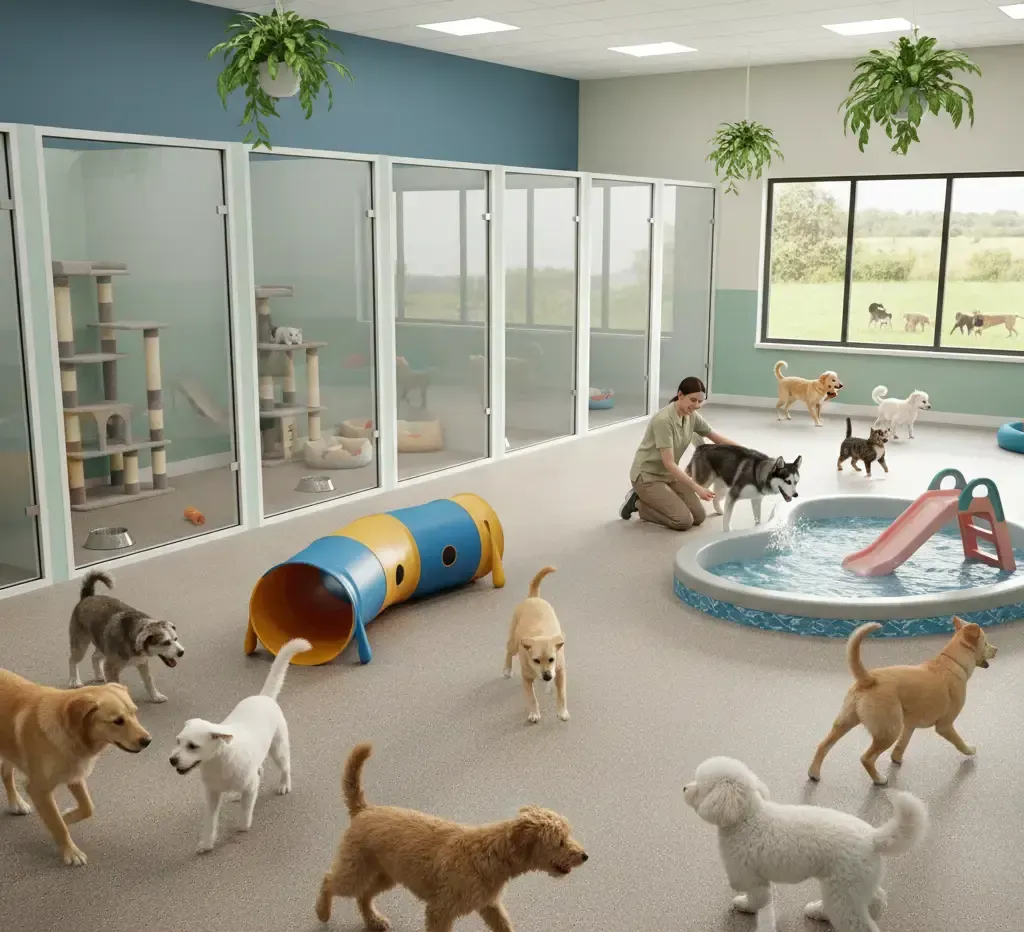
Leaving your pet behind while you travel can be stressful. Pet owners want to know their dog or cat is safe, comfortable, and cared for by people they can trust. Choosing the right boarding facility is an important decision. In Allen, Texas, many pet owners choose Country Creek Animal Hospital for pet boarding because it combines professional veterinary care with a calm and caring environment. Country Creek Animal Hospital is a full-service veterinary hospital located in Allen, TX. It provides boarding services for dogs and cats in the same facility where pets receive medical care, wellness exams, and preventive treatments. This gives pet owners peace of mind knowing trained veterinary professionals are available throughout their pet’s stay. This article explains why Country Creek Animal Hospital is a trusted choice for boarding in Allen, TX. It shares clear information about the business, its experience, staff qualifications, certifications, safety standards, and boarding process. All information is presented clearly and accurately to help pet owners make an informed decision. About Country Creek Animal Hospital Country Creek Animal Hospital is a family-owned veterinary practice serving Allen, Texas and surrounding communities. The hospital has been providing veterinary care since 2011. Unlike large corporate clinics, this practice is locally owned and operated, allowing the team to focus on long-term relationships with pets and their families. The hospital offers a wide range of veterinary services, including wellness care, vaccinations, surgery, dental services, grooming, emergency care, and pet boarding. All services are provided in one location by trained veterinary professionals. Because boarding takes place inside a veterinary hospital, pets are cared for in a medical setting that is designed to support health, safety, and comfort. This is especially important for pets that may need medications, monitoring, or extra attention during their stay. Experience and Professional Expertise One of the strongest reasons to choose Country Creek Animal Hospital for boarding is the experience of its veterinary team. The hospital’s veterinarians and staff have more than 60 years of combined veterinary experience. This level of experience helps ensure pets receive knowledgeable and attentive care. Veterinary professionals are trained to understand animal behavior, recognize signs of illness, and respond to medical needs. This expertise is especially valuable during boarding stays, when pets may feel stressed or experience changes in routine. Having experienced veterinarians and trained support staff on site provides an added layer of protection. If a pet becomes ill or shows signs of discomfort, care can be provided immediately without the need to transfer the pet to another facility. Accreditation and Certifications That Build Trust Country Creek Animal Hospital has earned several respected certifications that reflect its commitment to high standards of care. These certifications are important trust signals for pet owners. AAHA Accreditation The hospital is accredited by the American Animal Hospital Association (AAHA). This accreditation means the hospital meets strict standards in areas such as cleanliness, patient care, safety, and medical protocols. Only a small percentage of veterinary hospitals achieve AAHA accreditation. Fear Free Certification Country Creek Animal Hospital is Fear Free certified. This means the staff is trained to reduce fear, anxiety, and stress in pets. Fear Free techniques are especially important during boarding stays, as pets are away from home and may feel nervous. Cat Friendly Certification The hospital is also recognized as a Cat Friendly practice. This certification shows a commitment to creating a calm and supportive environment for cats, with special handling techniques and attention to feline needs. These certifications demonstrate expertise, professionalism, and a strong focus on animal well-being. What Makes Veterinary Boarding Different Boarding at a veterinary hospital is different from boarding at a standard kennel or pet hotel. At Country Creek Animal Hospital, boarding is part of a complete medical care environment. Immediate Access to Medical Care Because boarding takes place in a veterinary hospital, medical care is available if needed. Pets do not need to be transported to another location for treatment. This is especially important for senior pets or pets with ongoing health conditions. Trained Medical Staff Veterinary technicians and trained staff monitor boarding pets. They know how to administer medications, observe behavior changes, and respond to health concerns. Clean and Controlled Environment Veterinary hospitals follow strict cleaning and sanitation protocols. This helps reduce the risk of illness and creates a healthier environment for boarding pets. Boarding Services for Dogs and Cats Country Creek Animal Hospital offers boarding for both dogs and cats. Each type of pet has unique needs, and the staff is trained to provide appropriate care for both. Dogs are monitored regularly and given attention from trained staff. Cats are housed in areas designed to help reduce stress and noise. The hospital’s Cat Friendly certification supports a calm environment for feline guests. Pets staying for boarding benefit from professional supervision, daily observation, and care that aligns with veterinary standards. Safety, Comfort, and Daily Care Safety is a top priority during boarding at Country Creek Animal Hospital. Pets are housed in a clean, controlled setting and checked regularly by staff. The hospital follows protocols to ensure pets are comfortable during their stay. Staff members are trained to recognize signs of stress and respond appropriately. Fear Free practices help reduce anxiety and support emotional well-being. Because pets are already in a medical facility, any health concerns can be addressed promptly. This level of oversight is difficult to match in non-medical boarding environments. Boarding for Pets with Special Needs Some pets require extra care, such as daily medications, special diets, or close monitoring. Boarding at Country Creek Animal Hospital is well suited for these pets. Veterinary staff can administer medications as prescribed and follow specific care instructions. This is especially helpful for pets with chronic conditions, recovery needs, or age-related health concerns. Pet owners can feel confident knowing their pet’s medical needs will be managed by professionals who understand veterinary care. The Boarding Process at Country Creek Animal Hospital The boarding process is designed to be clear and simple for pet owners. Schedule Boarding Pet owners can contact the hospital to request boarding services and confirm availability. Prepare for Drop-Off Owners provide information about their pet’s routine, diet, and any medications. Boarding Stay During the stay, pets are monitored by trained staff in a veterinary environment. Pick-Up Pets are released to their owners at the scheduled pick-up time. Weekend pick-up and drop-off options are available by appointment. This structured process helps ensure a smooth experience for both pets and owners. Serving the Allen, TX Community Country Creek Animal Hospital proudly serves the Allen, TX community and nearby areas. Being locally owned allows the hospital to build lasting relationships with pet owners. The hospital’s reputation is built on consistent care, professional standards, and a focus on animal health. Many families return year after year for veterinary services and boarding because they trust the team and value the personalized approach. Commitment to Ethical and Responsible Care Ethical care is an important part of the hospital’s mission. Boarding pets in a veterinary setting allows for responsible oversight and adherence to medical standards. The staff follows established protocols for animal handling, sanitation, and safety. This commitment supports both physical and emotional well-being during boarding stays. Why Pet Owners Choose Country Creek Animal Hospital Pet owners choose Country Creek Animal Hospital for boarding because it offers: A veterinary hospital setting Experienced and trained professionals Accredited and certified standards Medical oversight during boarding Care for dogs and cats Support for pets with special needs A locally owned and trusted practice These factors combine to create a reliable and professional boarding option in Allen, TX. Conversion-Focused Information for Pet Owners To help pet owners take the next step, this content clearly explains: What boarding includes Why veterinary boarding matters Who provides care How the process works What makes this hospital different Clear and accurate information builds trust and helps families feel confident in their decision. Conclusion Choosing the right boarding facility is about more than convenience. It is about safety, trust, and professional care. Country Creek Animal Hospital in Allen, TX offers boarding in a veterinary hospital environment where pets are monitored by trained professionals. With years of experience, respected certifications, and a commitment to animal well-being, Country Creek Animal Hospital provides a reliable boarding option for dogs and cats. Pet owners can travel with confidence knowing their pets are cared for in a medical setting designed to support comfort and health. For families seeking professional pet boarding in Allen, TX, Country Creek Animal Hospital stands out as a trusted and experienced choice.
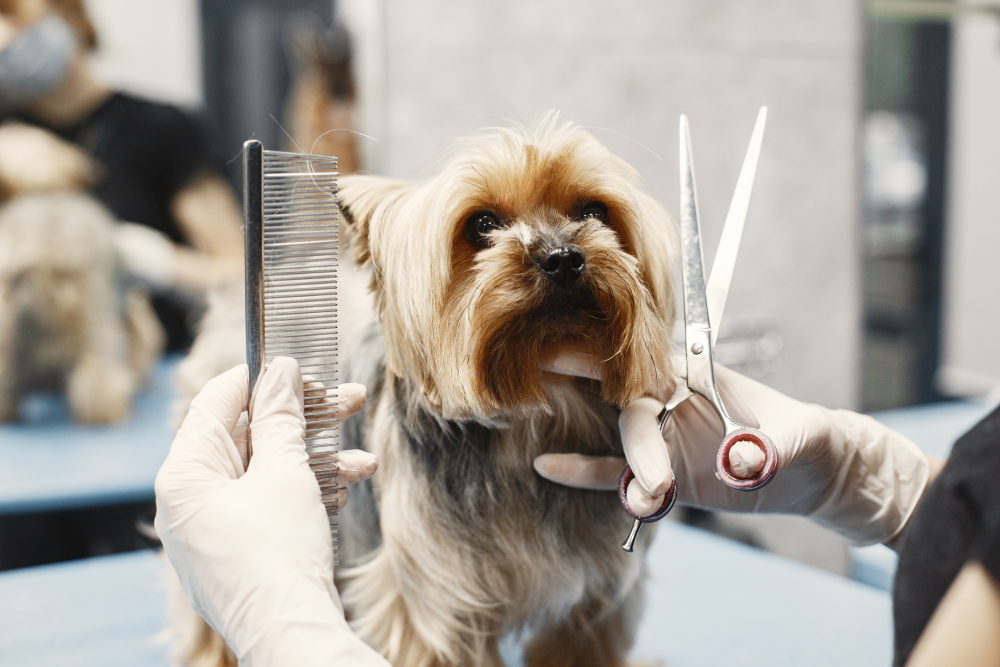
Pet grooming is an important part of pet care. Many pet owners want to know if their local veterinary hospital also provides grooming services. A common question asked by pet owners in Allen, Texas is: Do Country Creek Animal Hospital offer pet grooming in Allen, TX? The answer is yes. Country Creek Animal Hospital offers professional pet grooming services as part of its full-service animal care. Grooming is provided in a veterinary setting, which allows pets to receive care in a safe and supervised environment. This blog explains the grooming services offered, the benefits of veterinary-based grooming, details about the hospital, and why pet owners in Allen, TX choose Country Creek Animal Hospital for grooming and overall pet care. About Country Creek Animal Hospital Country Creek Animal Hospital is a full-service veterinary hospital located in Allen, TX. The hospital provides care for pets at all life stages, from puppies and kittens to senior pets. Their services include preventive care, medical treatment, surgery, boarding, and grooming. The hospital is designed to support both pets and pet owners by offering multiple services in one location. This helps reduce stress for pets and makes care more convenient for families. Country Creek Animal Hospital focuses on: Professional veterinary care Pet safety and comfort Clear communication with pet owners Long-term pet wellness The staff includes trained veterinarians, veterinary technicians, and support team members who work together to provide consistent care. Does Country Creek Animal Hospital Offer Pet Grooming? Yes, Country Creek Animal Hospital offers pet grooming services in Allen, TX. Grooming is available for established clients of the hospital and is performed by an experienced in-house groomer. Because grooming is offered inside a veterinary hospital, pets benefit from a controlled environment where their health and safety are closely monitored. This is especially helpful for pets that may be nervous, aging, or have medical needs. What Pet Grooming Services Are Offered? Country Creek Animal Hospital provides professional grooming services that help keep pets clean, comfortable, and healthy. Grooming services are focused mainly on dogs and are designed to meet individual pet needs. Grooming services include: Full professional grooming Bathing and drying Hair trimming and styling Nail trimming and nail filing Ear cleaning De-shedding treatments Medicated baths when needed Anal gland expression Maintenance grooming between full grooms Each grooming appointment is based on the pet’s coat type, size, and condition. The groomer takes care to handle pets gently and calmly throughout the grooming process. Why Pet Grooming Is Important for Health Pet grooming is not only about appearance. It is an important part of overall pet health. Regular grooming helps: Keep skin clean and healthy Remove dirt, oil, and loose hair Reduce shedding in the home Prevent painful mats and tangles Support healthy nails and ears Identify skin problems early When grooming is done regularly, pets are often more comfortable and less likely to develop skin irritation or infections. Benefits of Grooming in a Veterinary Hospital Grooming at Country Creek Animal Hospital takes place in a veterinary setting. This offers several important benefits. Medical oversight Pets are groomed in a facility where veterinarians and trained staff are available if health concerns arise. Safe environment The hospital follows health and safety standards designed for animal care. Support for special needs pets Pets with anxiety, skin conditions, or age-related concerns can receive extra attention. Clear communication The grooming team can share observations with the veterinary staff if they notice anything unusual. This type of grooming environment is especially helpful for pets who need gentle handling or closer monitoring. Grooming and Pet Comfort Pet comfort is a priority during grooming at Country Creek Animal Hospital. The grooming team works carefully to reduce stress and make the experience as calm as possible. Steps taken to support comfort include: Gentle handling Clean and quiet grooming areas Breaks when needed Attention to pet behavior and signals Pets are never rushed, and grooming is adjusted to fit each pet’s comfort level. Health and Safety Requirements for Grooming To protect all pets, Country Creek Animal Hospital has health requirements for grooming services. Pets must: Be healthy at the time of grooming Be up to date on required vaccinations Have proof of parasite prevention Have a recent negative fecal screening These requirements help reduce the risk of illness and ensure a safe environment for every pet. Who Performs the Grooming? Grooming services are provided by an in-house professional groomer who works directly with the veterinary team. This teamwork allows grooming to be done safely and with full awareness of a pet’s medical history. The groomer has experience handling different coat types and pet behaviors and follows hospital guidelines for hygiene and safety. Grooming for Puppies and Adult Dogs Grooming is available for both puppies and adult dogs. Early grooming helps puppies become comfortable with being handled, brushed, and bathed. Regular grooming for adult dogs helps: Maintain coat health Reduce shedding Keep nails at a safe length Improve overall comfort The grooming schedule can be adjusted based on breed, coat length, and lifestyle. How Grooming Supports Preventive Care Grooming supports preventive veterinary care by allowing early detection of health issues. During grooming, professionals may notice: Skin redness or irritation Hair loss or thinning Lumps or bumps Ear discharge or odor Nail problems If concerns are found, the veterinary team can evaluate the pet and recommend next steps. Grooming and Other Services at Country Creek Animal Hospital Grooming is one part of the full range of services offered at Country Creek Animal Hospital. Veterinary exams Routine exams help monitor pet health and catch problems early. Vaccinations Vaccines help protect pets from serious diseases. Dental care Dental cleanings support oral health and prevent pain. Surgical services The hospital provides surgical care, including spay and neuter procedures. Boarding services Pets can stay at the hospital in a supervised environment. Microchipping Microchips help pets return home if lost. These services work together to support long-term pet wellness. Convenience for Pet Owners Having grooming and veterinary care in one location offers convenience for pet owners. Benefits include: Fewer trips to different providers Coordinated care Consistent health records One trusted location This approach saves time and helps ensure pets receive complete care. Serving Allen, TX and Nearby Communities Country Creek Animal Hospital serves pet owners in Allen, TX and nearby areas. Many families choose the hospital because it is local, accessible, and known for providing dependable pet care services. The hospital’s location allows easy access for routine grooming and veterinary visits. Why Pet Owners Choose Country Creek Animal Hospital Pet owners choose Country Creek Animal Hospital for grooming because: Grooming is provided in a veterinary setting Pets are monitored by trained professionals Health and safety standards are followed Grooming and medical services are offered together The staff focuses on pet comfort This combination builds trust and long-term relationships with pet owners. Scheduling a Grooming Appointment Grooming appointments are scheduled directly through Country Creek Animal Hospital. Appointments help ensure pets receive proper attention and that grooming services are provided safely. Pet owners can contact the hospital to: Confirm grooming availability Review requirements Choose a convenient appointment time Conclusion Pet grooming plays an important role in keeping pets healthy and comfortable. Country Creek Animal Hospital in Allen, TX offers professional pet grooming services in a safe veterinary environment. By combining grooming with medical care, the hospital provides a complete approach to pet wellness. Grooming services are performed by trained professionals who work closely with the veterinary team. This ensures pets receive careful attention and support during each visit. From routine baths and nail trims to full grooming services, the focus remains on pet safety, cleanliness, and comfort. For pet owners asking, “Do Country Creek Animal Hospital offer pet grooming in Allen, TX?”, the answer is clear. Yes, they do, and their grooming services are part of a trusted, full-service veterinary practice. Country Creek Animal Hospital continues to be a dependable choice for pet grooming and veterinary care for families in Allen, Texas and surrounding areas.
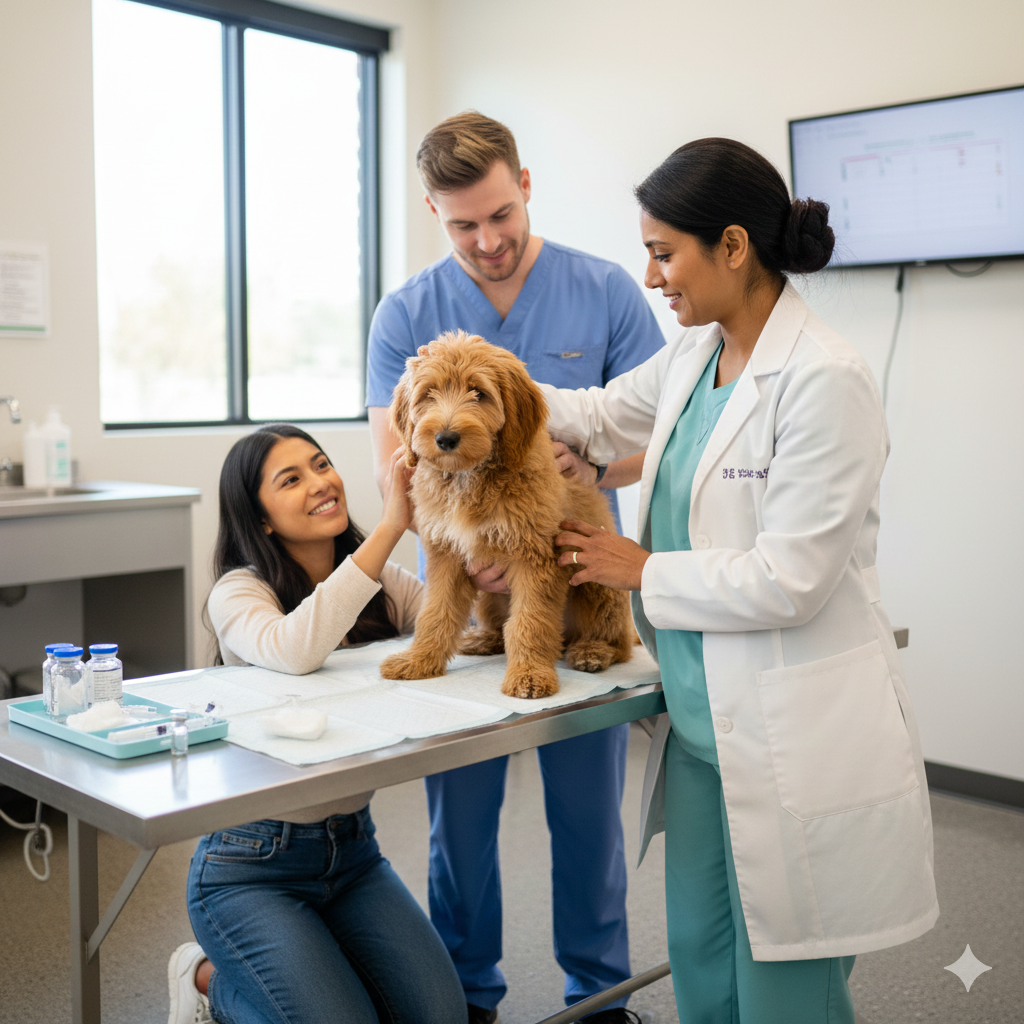
Imagine a silent shield, invisible but impenetrable, surrounding your dog or cat as they navigate the parks of Allen, TX . In the complex world of veterinary medicine, this is exactly what a well-structured immunization protocol provides. As we move through 2026 , the technology behind Pet Vaccinations has reached a level of precision that allows us to tailor protection to a pet’s specific lifestyle, age, and environmental risk factors. However, for many homeowners, the sheer volume of information regarding "core" versus "non-core" shots can be overwhelming. At Country Creek Animal Hospital , we view vaccinations not as a standardized "one-size-fits-all" checklist, but as a strategic defense plan. This article serves as an authoritative exploration into the immunology of pet care, the local pathogens that pose the greatest threat in our region, and why professional administration is the only way to ensure these biological tools function as intended. Protecting your pet is an investment in their longevity, and it starts with understanding the microscopic battle for their health. 1. The Immunology of Protection: How Vaccines Work To appreciate the necessity of Pet Vaccinations , one must first understand the "memory" of the immune system. When a pet is vaccinated, we are essentially providing their white blood cells with a "wanted poster" for a specific virus or bacteria. The Priming Phase A vaccine contains antigens—proteins that look like the disease-causing agent but cannot actually cause the disease. When introduced into the bloodstream, the immune system identifies these as foreign and begins producing antibodies. This is the "priming" phase. If the pet later encounters the actual "wild" version of the virus in a local dog park or near a suburban creek, their immune system is already armed and ready to neutralize the invader before it can take hold. The Role of "Boosters" Immunological memory is not always permanent. Over time, the concentration of protective antibodies can wane. This is why "booster" shots are critical. In 2026 , we use sophisticated titer testing in some cases to measure these levels, but for the majority of pets, following a standardized re-vaccination schedule is the most reliable way to prevent "immunity gaps." 2. Regional Risk Assessment: The Pathogens of North Texas The geography of Allen, TX , presents specific challenges. We are a community characterized by beautiful suburban properties that often border natural greenbelts and creeks. This intersection of human development and wildlife creates a unique "hot zone" for certain diseases. The Threat of Rabies Rabies remains a primary concern in North Texas due to the local populations of skunks, bats, and raccoons. Because Rabies is a zoonotic disease—meaning it can be transmitted from animals to humans—and is nearly 100% fatal once symptoms appear, the Rabies vaccine is mandated by Texas state law. It is the foundation of public health and pet safety. Leptospirosis and Local Waterways Leptospirosis is a bacterial disease spread through the urine of wildlife. In our region, heavy spring rains can wash this bacteria into standing water or onto damp soil in backyards. Dogs that explore near the edges of local creeks or even drink from puddles in the yard are at high risk. This bacteria can cause permanent kidney and liver failure, and notably, it can also infect humans. The Parvovirus Resilience Canine Parvovirus is a highly contagious, devastating gastrointestinal virus that is particularly hardy in our local soil. It can survive for months, even years, in the environment, resisting extreme Texas heat and cold. Without the protection of Pet Vaccinations , a puppy simply walking on a contaminated sidewalk can contract this life-threatening illness. 3. Core vs. Non-Core: Navigating the Options Not every pet needs every vaccine. Part of our professional authority at Country Creek Animal Hospital involves conducting a "lifestyle audit" for every patient. Canine Core Vaccines These are considered essential for all dogs, regardless of lifestyle, due to the severity of the diseases: Feline Core Vaccines Even indoor cats require protection, as viruses can be brought into the home on shoes or clothing, and escapes happen: Non-Core (Lifestyle) Vaccines These are recommended based on your pet’s habits. If your dog visits local boarding facilities or grooming salons, the Bordetella (Kennel Cough) and Canine Influenza vaccines are essential. For cats that spend time outdoors or live in multi-cat households, the Feline Leukemia (FeLV) vaccine is highly recommended to prevent this incurable immune-suppressing virus. 4. The Puppy and Kitten Series: Building the Foundation The most vulnerable time in a pet's life is the window between six and sixteen weeks of age. This is when maternal antibodies—protection passed through the mother's milk—begin to fade, leaving the young pet's immune system exposed. Maternal Antibody Interference A common question we receive is why puppies and kittens need so many "rounds" of shots. The answer lies in maternal antibody interference. If we vaccinate too early, the mother's antibodies neutralize the vaccine before the puppy's own immune system can learn from it. Because we don't know exactly when the mother's protection wears off, we vaccinate every 3 to 4 weeks during this window to ensure we "catch" the immune system as soon as it is capable of responding. Socialization vs. Safety In 2026 , we emphasize "safe socialization." While it is important for a puppy to see the world, they should avoid high-traffic areas like public dog parks until they have completed their full series of Pet Vaccinations . Our team provides guidance on how to balance behavioral needs with immunological safety during these formative months. 5. Professional Administration vs. "Farm Store" Vaccines It can be tempting for homeowners to purchase vaccines at a local supply store and administer them at home. However, this practice carries significant risks that can lead to a false sense of security. The "Cold Chain" Integrity Vaccines are delicate biological products. They must be kept at a very specific temperature from the moment they are manufactured until they are injected. If a vaccine sits on a loading dock for an hour or if a store's refrigerator fluctuates, the vaccine can become denatured and useless. Professional veterinary clinics like ours have strict "cold chain" protocols and medical-grade refrigeration to ensure potency. The Comprehensive Physical Exam At Country Creek Animal Hospital , a vaccination appointment isn't just a "shot." It is a full physical examination. We never vaccinate a sick pet, as their immune system is already distracted and may not respond correctly to the vaccine. We check the heart, lungs, joints, and dental health, often catching subtle issues during a routine vaccination visit that a homeowner might miss. 6. Adverse Reactions: Myths, Realities, and Safety A major concern for pet parents is the risk of a reaction. In the modern era of 2026 , vaccine manufacturing has become incredibly refined, making serious reactions extremely rare. Normal vs. Abnormal Responses It is normal for a pet to be a bit lethargic or have a slightly diminished appetite for 24 hours after Pet Vaccinations . This is actually a sign that the immune system is working! However, abnormal reactions include: If your pet has a known sensitivity, we don't simply stop vaccinating. Instead, we "pre-treat" with antihistamines and use ultra-pure, non-adjuvanted vaccines designed to minimize irritation. Safety is our priority, and we monitor every patient closely for these rare occurrences. 7. The Feline Leukemia Factor: Why Indoor Cats Aren't Immune Many Allen residents with indoor-only cats assume their pets are safe from infectious diseases. Unfortunately, this is a dangerous misconception. The "Window Screen" Risk Feline Leukemia and other respiratory viruses can be transmitted through indirect contact. If a stray cat wanders onto your porch and interacts with your indoor cat through a screen, transmission can occur. Furthermore, an indoor cat that escapes for even a few hours is at extreme risk if they are not current on their Pet Vaccinations . Protecting the Most Vulnerable Feline Leukemia (FeLV) is one of the leading causes of death in cats. It weakens the immune system and can lead to cancer. We recommend that all kittens receive the initial FeLV series, as their future lifestyle—and the potential for accidental exposure—cannot be guaranteed. 8. Canine Influenza: The 2026 Outlook Canine Influenza (CIV) has become a more prominent threat in metropolitan areas over the last decade. Unlike the human flu, which is seasonal, Canine Influenza can strike at any time of year in North Texas. Highly Contagious Environments Because CIV is a relatively "new" virus in the canine population, most dogs have no natural immunity to it. It spreads rapidly through respiratory droplets in grooming salons, boarding facilities, and even during "nose-to-nose" greetings on a walk. While the vaccine may not prevent 100% of infections, it significantly reduces the severity of the disease, preventing it from progressing to life-threatening pneumonia. 9. Titers: When Science Meets Individual Needs In 2026 , "Titer Testing" has become a valuable tool for some pet owners. A titer is a blood test that measures the level of antibodies in a pet's system. When to Consider Titers If a pet has a history of severe allergic reactions to vaccines or has an underlying autoimmune condition, we may use titers to see if they still have "protective levels" of immunity from their previous shots. If the titer is high, we may be able to delay a booster. However, titers are not available or reliable for all diseases (such as Leptospirosis or Bordetella), and they do not fulfill the legal requirement for Rabies vaccination in Texas. 10. The Financial Logic of Prevention As a professional service-industry content writer, I often see homeowners weigh the cost of preventative care against other household expenses. However, the financial argument for Pet Vaccinations is indisputable. Cost of Prevention vs. Cost of Cure The cost of a Parvovirus vaccination is a tiny fraction of the cost of a week-long stay in an isolation ward at a veterinary hospital. Treating a dog for Parvovirus or Leptospirosis can easily cost thousands of dollars, with no guarantee of survival. Vaccines are the most cost-effective insurance policy you can buy for your pet’s health. Public Health and Liability Beyond the pet's health, maintaining current vaccinations protects the human members of your family from zoonotic diseases. Additionally, if an unvaccinated pet were to bite a neighbor or another animal, the legal and quarantine repercussions in the state of Texas are significantly more severe than for a vaccinated pet. 11. Senior Pets: Do the Requirements Change? There is a common myth that once a pet reaches a certain age, they no longer need "shots." In reality, the opposite is often true. Immunosenescence As pets age, their immune system undergoes "immunosenescence"—a natural decline in the ability to fight off infections. A senior dog's body may not remember how to fight off Distemper as well as a younger dog's body. Furthermore, a senior pet's system is less resilient to the stress of a disease. Keeping up with Pet Vaccinations is vital to protecting our aging companions during their most vulnerable years. 12. Preparing for Your Vaccination Visit To make the process as smooth as possible for your pet, there are a few steps you can take before arriving at Country Creek Animal Hospital . 13. Frequently Asked Questions (FAQ) Q: Can I get my pet's Rabies shot at a pop-up clinic? A: While Rabies-only clinics exist, they often lack the comprehensive medical history and physical exam that we provide at Country Creek Animal Hospital . A Rabies shot is a legal document; ensuring it is performed by your primary veterinarian ensures that your records are centralized and accurate. Q: Why does my indoor-only cat need a Rabies shot? A: It is required by law in Allen, TX . More importantly, bats (the primary carriers of Rabies in Texas) frequently find their way into houses. An indoor cat that catches a bat is at extreme risk if not vaccinated. Q: My dog never goes to a boarding facility. Does he need the Bordetella vaccine? A: If your dog walks in public areas, visits the groomer, or even greets other dogs through a fence, they are at risk. "Kennel Cough" is a bit of a misnomer—it should be called "Social Dog Cough." Q: Will the vaccines make my pet feel sick? A: Most pets feel perfectly fine. A small percentage may be sleepy for the evening. If your pet seems truly distressed, we are always just a phone call away to provide guidance. 14. The Community Impact of Vaccination When you vaccinate your pet, you are participating in a concept known as "Herd Immunity." Protecting the Unprotected Some pets in our community cannot be vaccinated due to severe illness or age. When the vast majority of pets in Allen are vaccinated, the "wild" virus has no place to hide and cannot spread. By keeping your pet current on their Pet Vaccinations , you are helping to keep the entire local pet population safer. Eradicating Disease Historically, widespread vaccination has almost entirely eliminated diseases that once killed thousands of pets annually. By remaining vigilant, we ensure these devastating illnesses do not make a comeback in our neighborhoods. 15. Conclusion: Your Partner in Long-Term Wellness In the fast-paced world of 2026 , your home and family are your sanctuary. Protecting the smallest members of that family is a responsibility we take seriously. Pet Vaccinations are not just a routine chore; they are a sophisticated medical intervention designed to keep your companions by your side for as many years as possible. At Country Creek Animal Hospital , we combine technical accuracy with a deep commitment to the pets of Allen, TX . We invite you to visit our Homepage to learn more about our philosophy of care and to explore our full range of Pet Vaccinations . The bond you share with your pet is unique. Let’s protect it with the best that modern medicine has to offer. Whether you have a new puppy starting their journey or a senior cat who has been your constant companion for a decade, we are here to ensure their "shield" remains strong.
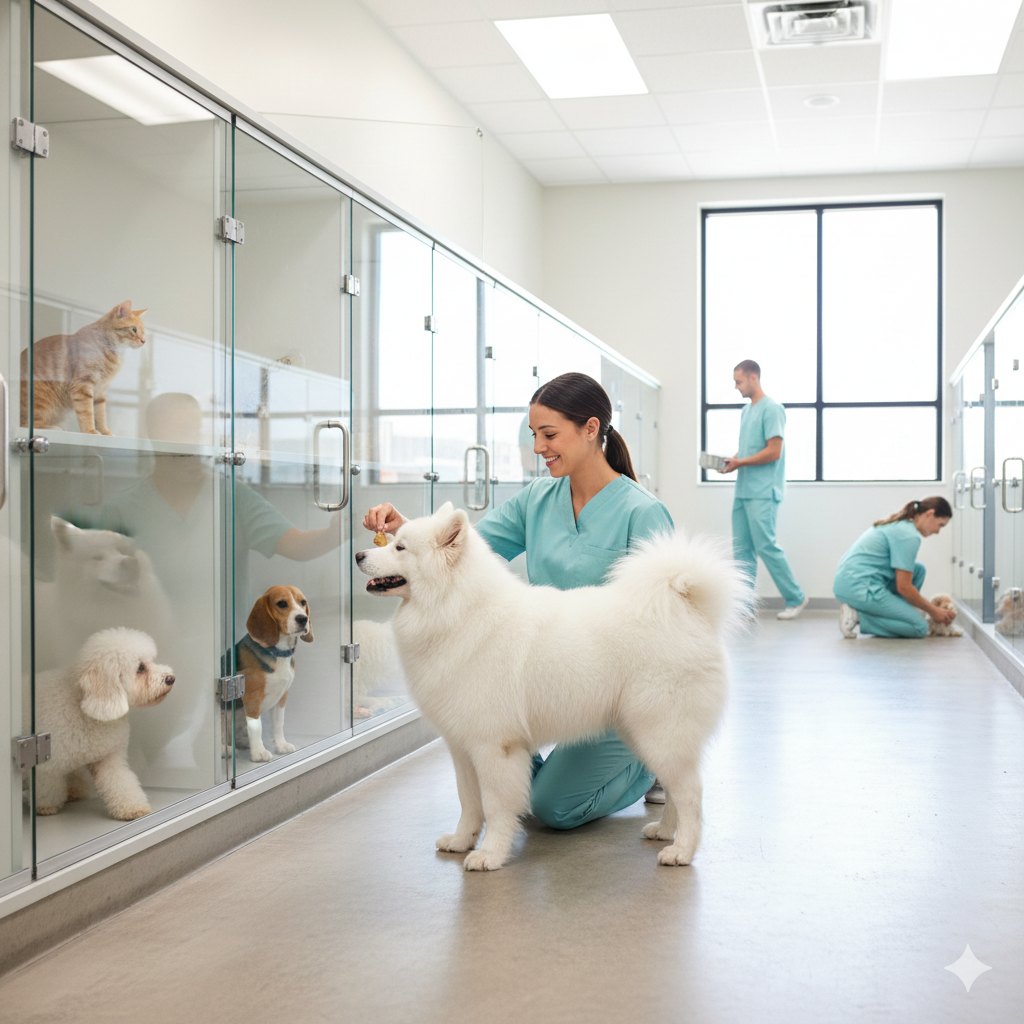
When you prepare for an extended trip away from your home in Allen, TX , the checklist of responsibilities is often overwhelming. Between coordinating travel logistics and securing your property, the most emotionally taxing decision remains: who will watch your pet? In the modern pet care landscape of 2026 , the options range from casual neighborhood sitters to high-traffic commercial warehouses. However, for the discerning homeowner, the priority is shifting toward a model that prioritizes physiological safety and medical oversight above all else. At Country Creek Animal Hospital , we believe that Pet Boarding should be more than just a temporary housing solution. It should be a clinical extension of the wellness care your companion receives at our Homepage . Choosing a veterinary-supervised environment means your pet isn't just being "watched"; they are being monitored by professionals trained to detect the subtle shifts in behavior and biology that occur when an animal is away from their familiar environment. This comprehensive guide explores the technical nuances of professional boarding and why a medical-grade facility is the only way to ensure total peace of mind. 1. The Anatomy of Stress: How Environment Dictates Health For a dog or cat, being away from home is a significant neurological event. The sudden change in routine triggers the "HPA axis"—the hypothalamic-pituitary-adrenal axis—which regulates the body’s response to stress. In a standard commercial facility, the sensory overload of barking dogs, strange smells, and unfamiliar handlers can keep this system in a state of chronic "high alert." Cortisol and Immune Suppression When a pet is stressed, their body releases cortisol. While beneficial for short-term "fight or flight" scenarios, prolonged elevation of cortisol suppresses the immune system. This makes pets more susceptible to opportunistic infections, such as feline upper respiratory complexes or canine infectious tracheobronchitis (kennel cough). By utilizing a facility with veterinary-designed airflow and noise-reduction protocols, we minimize these triggers, keeping the HPA axis stable. The Benefit of Species Segregation One of the most critical aspects of professional Pet Boarding is the strict separation of species. Cats are obligate carnivores with a highly developed prey-alert system. Housing them in the same visual or auditory space as dogs is a recipe for chronic stress. Our facility architecture ensures that feline guests enjoy a tranquil, "dog-free" sanctuary, which is essential for maintaining their appetite and normal grooming behaviors during their stay. 2. Navigating the North Texas Climate: Safety in Every Season Living in Allen, TX , means dealing with extreme weather fluctuations. From the triple-digit heat of August to the sudden ice storms that can paralyze Story County in February, the external environment poses a direct threat to boarded pets. Thermal Regulation in 2026 Pets, particularly "brachycephalic" breeds (those with shortened snouts like Bulldogs or Pugs) and senior animals, have a very narrow window of thermal comfort. Our Pet Boarding wing is equipped with industrial-grade HVAC systems that maintain a consistent, medically appropriate temperature regardless of the Texas sun. We monitor internal humidity levels to prevent the respiratory distress that often accompanies the heavy, stagnant air of the southern summer. Storm Safety and Power Redundancy Texas is known for its volatile spring storm season. A casual pet sitter may lose power or access to your home during a severe weather event. Our facility is engineered with redundant power systems and reinforced structural elements to ensure that your pet remains safe, cool, and calm, even when the local grid is compromised. 3. The Professional Oversight Differential: Trained Eyes vs. Casual Sitters The most significant risk of non-veterinary boarding is the "knowledge gap." A standard kennel worker or a neighborhood teenager may not recognize the early clinical signs of a medical emergency. Detecting the Subtle Shift Animals are masters of masking pain and illness. A decrease in water consumption, a slight change in the frequency of urination, or a subtle "glaze" in the eyes can be the first signs of conditions like bloat (GDV), urinary blockages, or kidney stress. Our boarding staff works under the direct supervision of licensed veterinarians. We perform daily "nose-to-tail" wellness checks that go far beyond just filling a food bowl. Immediate Medical Intervention If a pet becomes ill while boarding at a commercial facility, the staff must coordinate transport to an emergency clinic—a process that wastes precious minutes. At Country Creek Animal Hospital , the doctor is already on-site. If your pet shows signs of distress, we can initiate diagnostic bloodwork or imaging immediately, often before the condition becomes life-threatening. 4. Medication Management and Chronic Care In 2026 , many of our beloved pets are living longer, healthier lives thanks to advanced medications for arthritis, diabetes, and heart disease. However, these life-saving drugs require precise administration. Complex Dosing Schedules Boarding a diabetic pet or one with Addison's disease requires a level of technical accuracy that most commercial facilities cannot provide. We manage: Nutritional Integrity Gastrointestinal (GI) upset is the most common issue in boarded pets. We advocate for "owner-provided" diets to maintain consistency, but we also stock high-quality therapeutic diets for pets that develop "stress colitis." Our team understands the caloric needs of different life stages, ensuring that your senior dog or growing kitten maintains their body condition score throughout their stay. 5. Biosecurity: Preventing the Spread of Pathogens A high-density Pet Boarding environment can be a breeding ground for parasites and viruses if sanitation isn't handled with clinical rigor. Hospital-Grade Disinfection We utilize the same medical-grade disinfectants in our boarding suites that we use in our surgical theaters. These solutions are specifically formulated to kill resilient pathogens like Parvovirus and Calicivirus while remaining non-toxic to the animals. We follow a strict "all-in, all-out" cleaning protocol, ensuring that every suite is deep-cleaned and sanitized between guests. Vaccination Verification To protect the community of pets in Allen , we require up-to-date vaccinations for all boarders. This isn't just a formality; it is the cornerstone of "herd immunity" within the facility. We verify: 6. The Psychology of Play: Enrichment without Overstimulation While physical activity is important, the "dog park" style of communal play found in many big-box boarding centers can be dangerous and counter-productive to a pet's mental health. Structured Exercise We focus on individual or small-group activity that is supervised by handlers trained in animal behavior. This prevents "play-style" mismatches that can lead to inter-dog aggression or injury. For our feline guests, enrichment involves vertical space, scratching surfaces, and quiet "lap time" with staff members. Mental Stimulation Boarding can be boring, and boredom leads to anxiety. We utilize food puzzles and sensory enrichment to keep pets engaged. In 2026 , we recognize that cognitive health is just as important as physical health. By providing "jobs" for high-energy breeds, we reduce the likelihood of destructive behaviors or "kennel pacing." 7. Senior Pet Specialization: Comfort for the Golden Years Homeowners with senior pets often feel a unique sense of guilt when traveling. Older animals are more sensitive to changes in their environment and may have limited mobility. Orthopedic Considerations Standard concrete kennel floors are brutal on arthritic joints. Our boarding facility utilizes raised orthopedic bedding and non-slip surfaces to ensure that senior pets can move comfortably and safely. We pay close attention to "pressure points" to prevent the development of hygromas or sores. Cognitive Dysfunction Support Pets with "sundowners" or canine cognitive dysfunction need a predictable, low-light, and quiet environment at night. Our night-time protocols are designed to help these pets stay oriented and calm, reducing the vocalization and pacing that often occurs when they are in unfamiliar settings. 8. Transparency and Communication: The Trust Factor In a digital world, you deserve to know how your companion is doing without having to wonder. Digital Updates and Professional Reporting We provide regular updates that go beyond just saying your pet is "fine." Our reports include observations on appetite, energy levels, and eliminations. If our veterinary technicians notice anything unusual, we reach out immediately with a professional assessment and a proposed plan of action. Pre-Boarding Assessments For pets that are particularly anxious, we recommend a "trial day" or a pre-boarding consultation. This allows us to assess your pet’s temperament and tailor their stay to their specific needs. It also allows your pet to associate our facility with a positive, short-term experience before they stay for a longer duration. 9. Frequently Asked Questions (FAQ) Q: Can I bring my pet's own bed and toys? A: We encourage bringing a small item that smells like home, such as a t-shirt or a favorite toy, to provide olfactory comfort. However, for hygiene purposes, we provide high-quality, sanitized bedding for all guests. Q: My dog has a "sensitive stomach." How do you handle that? A: We recommend bringing your pet’s regular food in pre-portioned bags. If your pet develops diarrhea or vomiting, our veterinarians can immediately prescribe a bland therapeutic diet or medications to settle their GI tract. Q: Do you board exotic pets or just cats and dogs? A: While our primary wings are designed for canines and felines, please contact us regarding specific exotic species. Our boarding services are always expanding to meet the needs of the Allen community. Q: What happens if there is an emergency after hours? A: As a veterinary-led facility, we have established emergency protocols. While we are not a 24-hour ER, our monitoring systems and on-call staff ensure that any significant change in a pet's status is addressed with the highest urgency. 10. The Financial Logic: Value vs. Price When comparing the cost of Pet Boarding in Allen , it is tempting to choose the lowest price point. However, the "value" of veterinary boarding becomes clear when you consider the potential hidden costs of cheaper alternatives. Avoiding Post-Boarding Vet Bills It is common for pets boarded in high-volume, low-sanitation facilities to come home with "kennel cough," "giardia," or "stress colitis." The subsequent vet bills for exams, diagnostics, and medications often far exceed the few dollars saved per night on boarding fees. By choosing a facility that prioritizes biosecurity and medical oversight, you are investing in your pet's health and your own financial predictability. The Peace of Mind Dividend What is it worth to know that your pet is in the hands of medical professionals while you are on the other side of the country? The psychological relief of knowing that any health crisis will be handled by doctors who already know your pet's history is immeasurable. 11. Preparing Your Pet for a Successful Stay A successful boarding experience starts at home. Here is how you can set your pet up for success: 12. Conclusion: A Commitment to Excellence in Story County Your pet is a member of your family, and their care should never be a compromise. In 2026 , the standard for Pet Boarding has evolved, and homeowners in Allen, TX , deserve a facility that reflects that evolution. At Country Creek Animal Hospital , we provide a sanctuary that is rooted in medical science, managed with professional authority, and delivered with genuine compassion. We don't just "house" pets; we protect them. We monitor their heart rates, manage their chronic conditions, and ensure their mental well-being is preserved throughout their stay. When you choose us, you are choosing a partner in your pet’s health. You can enjoy your time away knowing that your companion is receiving the same level of care that we would give our own pets. The next time you plan a trip, don't settle for a "sitter." Choose the professional certainty of medical-grade boarding. Your pet's health, safety, and longevity depend on it.
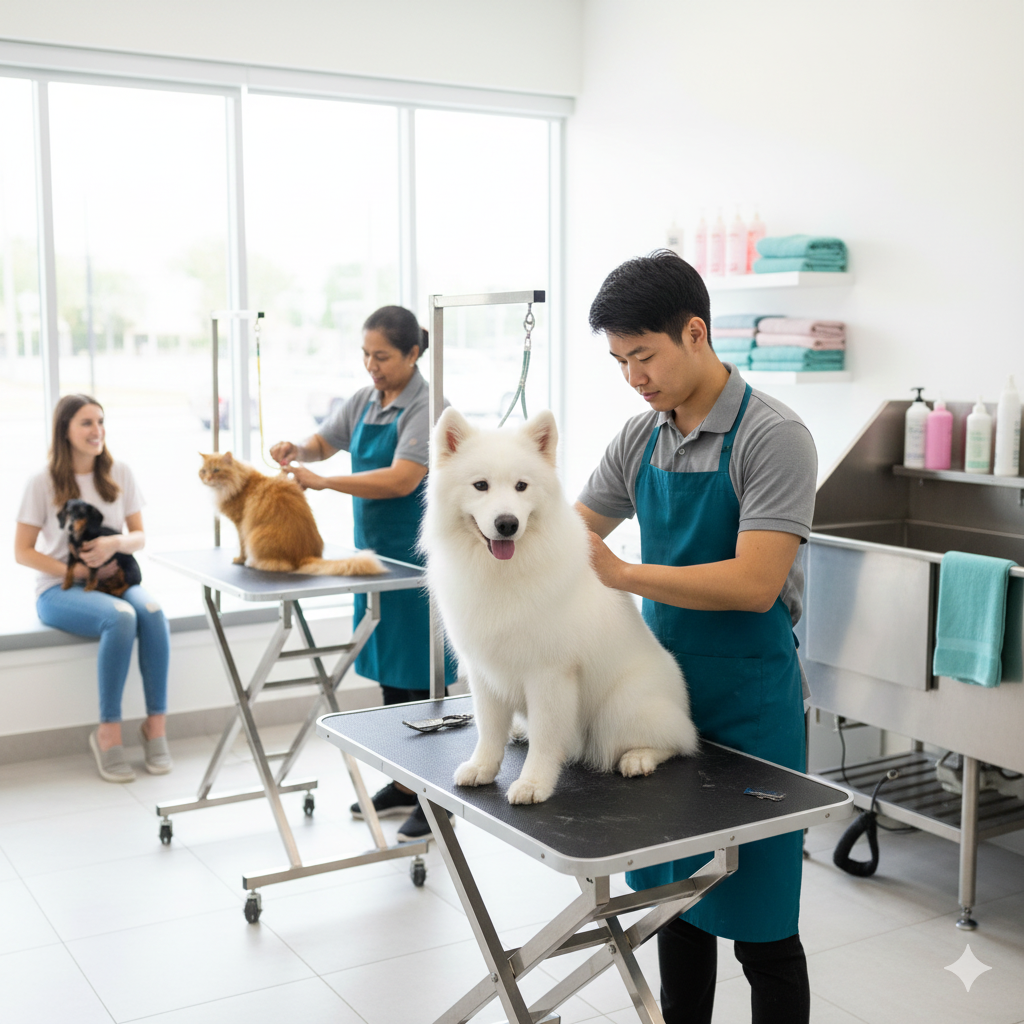
When we think of pet grooming, the mind often wanders toward aesthetic charm—the perfectly fluffed Poodle, the neatly trimmed Yorkie, or the fragrant scent of a freshly bathed Golden Retriever. However, for the discerning pet owner in Allen, TX , grooming has evolved far beyond the boundaries of vanity. As we navigate the environmental challenges of 2026 , professional grooming has established itself as a front-line defense in preventative veterinary medicine. At Country Creek Animal Hospital , we approach every session not just as a haircut, but as a comprehensive wellness assessment. The skin is the largest organ of the body, and for our canine and feline companions, it serves as a critical barrier against the unique allergens and climate fluctuations of North Texas. Expert Pet Grooming is the practice of maintaining this barrier, identifying subtle physiological changes before they escalate into medical crises, and ensuring that your pet’s external health mirrors their internal vitality. 1. The North Texas Environment: A Challenge for the Canine Coat Living in the Collin County area presents a specific set of dermatological hurdles for our pets. Our geography is defined by high pollen counts, intense UV exposure, and a humidity index that can fluctuate wildly. These factors directly impact the health of a pet’s coat and skin. Seasonal Allergies and Atopy In Allen , we see a significant number of pets suffering from environmental allergies. Pollen, ragweed, and local grasses don't just affect a pet’s respiratory system; they settle deep within the fur and migrate to the skin. Without Expert Pet Grooming to mechanically remove these microscopic irritants, pets develop atopic dermatitis. Professional bathing using high-grade, pH-balanced medicated shampoos is essential to strip away these allergens without depleting the skin’s natural lipid barrier. The Humidity-Bacteria Connection The moisture in the Texas air provides a perfect incubator for yeast and bacterial overgrowth, particularly in "high-friction" areas like the armpits, groin, and paw pads. When a coat becomes matted or excessively thick, airflow to the skin is restricted, creating a stagnant environment where infections flourish. A professional groomer understands the "physics of the coat," utilizing thinning shears and specific clip lengths to maximize cutaneous respiration (skin breathing). 2. The Anatomy of a Professional Grooming Assessment What differentiates a home bath from Expert Pet Grooming is the systematic medical oversight involved in the process. At Country Creek Animal Hospital , our grooming protocols are designed to catch anomalies that often go unnoticed by owners during daily snuggles. Digital Palpation and Lump Identification During the "hand-stripping" or deep-lathering phase, a groomer’s hands move over every square inch of the pet's body. We are trained to feel for "sebaceous cysts," "lipomas," or more concerning "mast cell tumors." In the older pet population of 2026 , early detection of these growths is often the difference between a simple excision and a complex oncological event. Otic Health (Ear Care) Many breeds, such as Spaniels and Doodles, are prone to chronic otitis externa (ear infections). Part of our grooming services involves inspecting the ear canal for discharge, odor, or excessive hair growth that traps moisture. By maintaining clean, dry ears, we prevent the deep-seated infections that can lead to vestibular issues or the need for total ear canal ablation (TECA) surgery. 3. Matting: More Than a Cosmetic Nuisance One of the most misunderstood aspects of pet care is the danger of matting. To the untrained eye, a mat is just a clump of hair. To a veterinary professional, a mat is a localized health hazard that can cause significant pain and tissue damage. The "Tourniquet Effect" Severe mats, especially those near the limbs or tail, can actually wrap around an extremity and restrict blood flow. This "tourniquet effect" can lead to skin necrosis (death of the skin tissue). Furthermore, mats pull tightly against the sensory nerves of the skin, causing a constant state of discomfort that can manifest as irritability or "aggression" in otherwise friendly pets. Hidden Parasites and Hot Spots Mats serve as a sanctuary for fleas, ticks, and chewing lice. Because the hair is so densely packed, standard topical preventatives may fail to reach the skin surface within a mat. Additionally, the lack of airflow causes "hot spots" (acute moist dermatitis), where the skin literally begins to rawly decompose under the hair. Expert Pet Grooming involves the careful, safe removal of these mats using specialized blades, often saving the pet from the need for sedation and medical debridement. 4. The Podiatry of Grooming: Nails and Paw Pads The paws are the primary interface between your pet and the harsh Texas pavement. Neglecting paw health can lead to long-term orthopedic complications. The Biomechanics of Nail Length When a dog’s nails are too long, they hit the ground with every step, pushing the nail back into the nail bed and shifting the alignment of the digital bones. This forces the pet to alter their gait, putting undue stress on the carpal (wrist) joints and eventually the hips and spine. Regular nail trimming or dremeling is a fundamental component of orthopedic maintenance. Interdigital Health The spaces between the toes are frequent sites for "interdigital cysts" and "foxtails" (dangerous grass seeds common in North Texas fields). During an Expert Pet Grooming session, we clear the hair from the paw pads, which not only allows for a thorough inspection but also increases the pet’s traction on hardwood floors—a critical safety factor for senior pets living in modern Allen homes. 5. Feline Grooming: The Unique Needs of the Sophisticated Cat While dogs are the most frequent visitors to the grooming salon, cats have a profound biological need for professional coat management, especially as they age. The "Greasy Tail" and Glandular Issues Cats have specialized sebaceous glands, particularly at the base of the tail. If these glands overproduce, the hair becomes matted and the skin becomes prone to "feline acne" or painful infections. Professional degreasing baths are essential for long-haired breeds like Persians or Maine Coons to prevent these dermatological complications. Senior Felines and Self-Grooming As cats develop arthritis, they often lose the flexibility required to groom their hindquarters and spine. This leads to the buildup of "dander" and the formation of thick, painful mats. Our Homepage highlights our commitment to gentle, low-stress handling, which is particularly vital for senior cats who may be fragile but require the hygienic intervention that only a professional can provide. 6. The Psychological Impact of Grooming: Stress and Socialization In 2026 , we recognize that a pet’s mental state is just as important as their physical health. Professional grooming, when done correctly, is a social and sensory experience that can improve a pet's confidence. Desensitization and Touch Pets that are groomed regularly from a young age become desensitized to being touched in sensitive areas—the paws, the ears, and the mouth. This makes them much more "compliant" during veterinary exams and reduces the stress they feel when handled by strangers. This behavioral conditioning is an underrated benefit of Expert Pet Grooming . The "Feel Good" Factor There is a noticeable shift in a pet’s demeanor after a professional grooming session. Removing the weight of dead hair, the itchiness of dander, and the discomfort of long nails results in a "post-grooming zoomie" phase that reflects an immediate improvement in their quality of life. A clean pet is a comfortable pet. 7. Shedding Management: The "De-Shedding" Science Every Allen homeowner knows the struggle of pet hair on furniture and flooring. However, shedding is more than a housekeeping chore; it’s a biological process of renewal. The Undercoat Raking Process Double-coated breeds (like Huskies, Shepherds, and Labradors) have a dense undercoat that sheds twice a year in a process called "blowing the coat." If this dead undercoat isn't removed, it becomes trapped under the topcoat, causing the pet to overheat in the Texas sun. We utilize specialized undercoat rakes and high-velocity dryers to "blast" the dead hair away, facilitating the growth of a healthy, seasonal coat. Reducing the Dander Load For families with mild pet allergies, the "de-shedding" process is a game-changer. By removing the dead hair and associated dander in a controlled, professional environment, the "allergen load" within the home is significantly reduced. This allows for a more harmonious coexistence between pets and their human family members. 8. Advanced Grooming Technology in 2026 The tools of the trade have evolved significantly. At Country Creek Animal Hospital , we utilize the latest technology to ensure a safer and more efficient experience for your pet. High-Velocity Drying Unlike traditional cage dryers, which can be noisy and stressful, high-velocity hand dryers allow the groomer to move water away from the skin quickly while simultaneously straightening the hair. This process also helps to identify skin lesions that would be hidden if the coat remained wet. Hydro-Massage Bathing Systems Modern bathing systems infuse the water with shampoo and oxygen, creating a "hydro-massage" effect. This deep-cleans the skin much more effectively than hand-scrubbing alone and helps to stimulate blood flow to the skin, promoting a glossier, healthier coat. 9. The Role of Nutrition in Skin and Coat Health During an Expert Pet Grooming session, the condition of the coat tells a story about the pet’s internal nutrition. A dull, brittle, or "stinky" coat is often a red flag for nutritional deficiencies. Omega Fatty Acids and Sebum The "shine" on a pet's coat comes from sebum, which is produced using essential fatty acids. If a pet's diet is lacking in Omega-3 and Omega-6, the coat becomes dry and the skin becomes "flaky." As part of our integrated approach, our groomers communicate with our veterinary team to recommend nutritional adjustments or supplements if they notice a chronic decline in coat quality. Protein and Hair Growth Hair is almost entirely composed of protein. A pet on a low-quality diet will often have "patchy" or slow hair growth. By observing these patterns over time, our Expert Pet Grooming team acts as a secondary diagnostic layer, ensuring that your pet's diet is supporting their external appearance. 10. Frequently Asked Questions (FAQ) Q: How often should my dog be professionally groomed? A: This depends on the breed and lifestyle. Most long-haired or "designer" breeds require a professional session every 4–6 weeks. Short-haired breeds may only need a session every 8–12 weeks to manage shedding and nail growth. Q: Can grooming help with my pet’s "skunky" smell? A: Yes, but a persistent odor is often a sign of a medical issue, such as an anal gland problem or a skin infection. Our professional bathers are trained to identify the difference between "outside dirt" and "medical odors." Q: Why do you need to see my pet’s vaccination records? A: Safety is our priority. In Allen , we require up-to-date Rabies, Distemper/Parvo, and Bordetella (kennel cough) vaccinations to protect your pet and all the other patients in our care. Q: My pet is very anxious. Can they still be groomed? A: Absolutely. Being a hospital-based grooming facility, we offer a "fear-free" approach. In cases of extreme anxiety, we can work with our veterinarians to provide mild sedation to ensure the grooming process is a positive experience rather than a traumatic one. 11. The Safety Advantage of Hospital-Based Grooming There is a distinct advantage to choosing Expert Pet Grooming within a veterinary hospital like Country Creek Animal Hospital . Immediate Medical Escalation If a groomer discovers a suspicious lump, a bleeding ear, or a severe skin infection, a veterinarian is only steps away. This allows for immediate diagnosis and treatment, often during the same appointment. In a standalone "boutique" groomer, these issues might go unremarked or require you to book a separate veterinary visit days later. Professional Sanitation Standards Hospital-based grooming facilities adhere to the same rigorous disinfection protocols as our surgical suites. This minimizes the risk of "kennel cough" or skin parasites being transferred between pets. In 2026 , where "super-bugs" are a concern, this level of clinical hygiene is a significant trust-builder for pet parents. 12. Understanding the "Summer Shave" Debate Many Allen residents ask if they should shave their double-coated dogs to keep them cool. The answer is almost always a resounding "No." The Insulation of the Coat A dog’s coat acts like insulation in a house. It keeps the heat out in the summer and the warmth in during the winter. Shaving a double-coated dog removes their ability to regulate their temperature and exposes their pale skin to the intense Texas sun, leading to sunburn and an increased risk of skin cancer. The Texture Change When a double-coat is shaved, it often grows back with a "fuzzy" or "velcro" texture that is much more prone to matting and debris collection. Expert Pet Grooming focuses on "de-bulking" the coat rather than removing it, ensuring the pet’s natural cooling system remains intact. 13. Longevity and the Grooming Habit Consistent grooming is an investment in your pet's lifespan. By maintaining the health of the skin and paws, you are reducing the overall inflammatory "load" on the pet's body. Chronic Inflammation and the Immune System A pet with constant skin infections or painful mats is in a state of chronic inflammation. This puts a persistent strain on the immune system, making the pet more susceptible to other illnesses. By keeping the exterior of the pet clean and healthy, you allow their immune system to focus on more internal threats. Early Detection is Everything The most common phrase we hear from our veterinary team is, "I'm glad the groomer found this." From a tick embedded in a sensitive area to a small melanoma on a paw pad, these discoveries are the true "value" of professional grooming. It is the most effective wellness screening available. 14. Conclusion: The EverClear Path to a Happy Pet In the busy, modern world of 2026 , our pets rely on us to be their advocates. They cannot tell us when their skin is itching, when a mat is pulling, or when their nails are making it painful to walk. Expert Pet Grooming is the voice we give to our silent companions. At Country Creek Animal Hospital , we take this responsibility seriously. We see grooming not as a luxury "spa day," but as a critical medical service that supports every other aspect of your pet's health. We are proud to serve the Allen community, providing a sanctuary where pets are handled with the expertise of a medical professional and the heart of a pet lover. Don't wait for your pet to develop a skin condition or a painful mat. Establish a grooming rhythm that celebrates their health and protects their future. Your pet’s comfort is our priority, and their beauty is simply a wonderful byproduct of our care.
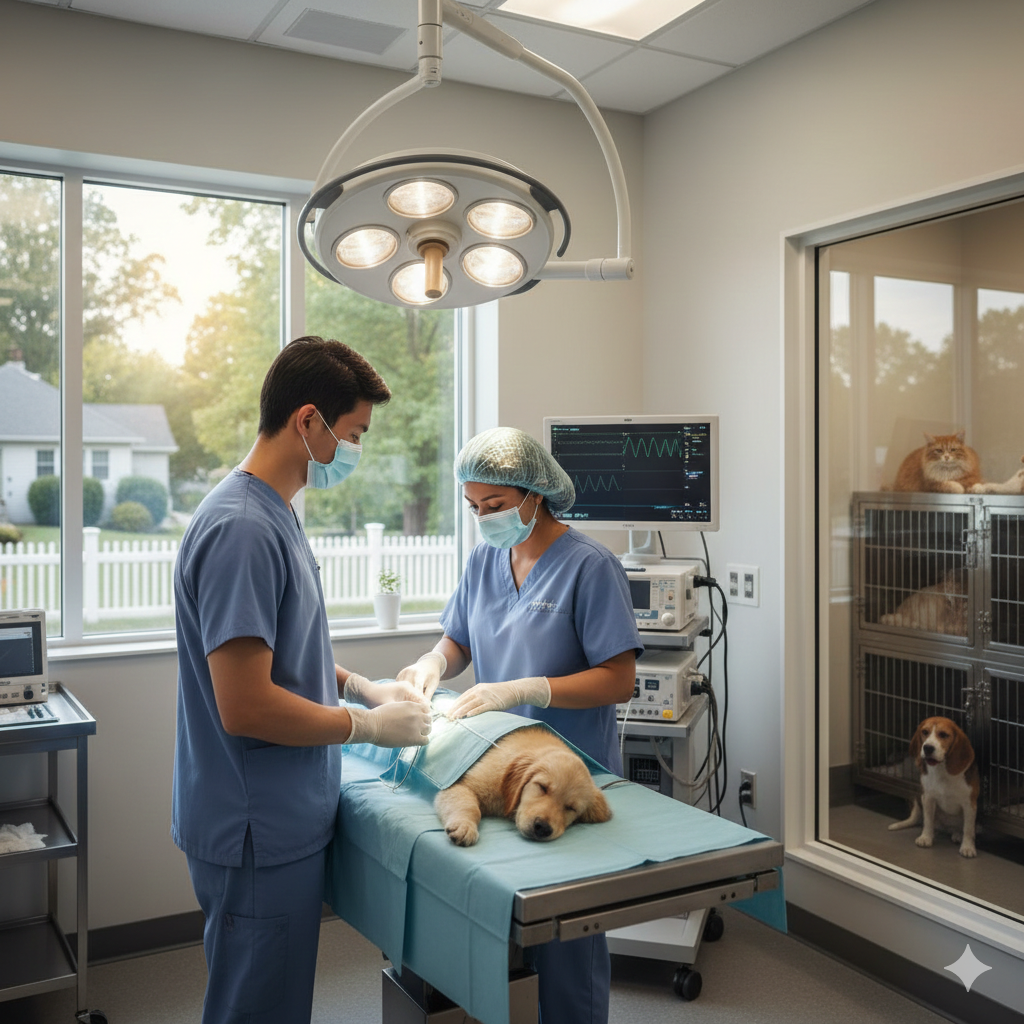
When a new puppy or kitten joins a household in Allen, TX , the initial weeks are often a whirlwind of vaccinations, house-training, and socialization. Amidst this excitement, one of the most significant medical decisions a pet owner will face is the timing and execution of a spay and neuter procedure. Far from being a simple "routine" surgery, these procedures represent a fundamental shift in a pet’s biological trajectory. In the modern veterinary landscape of 2026 , we view these surgeries not merely as a means of population control, but as a preventative healthcare strategy designed to mitigate life-threatening diseases and behavioral complications. At Country Creek Animal Hospital , we understand that pet owners in our community are looking for more than just a clinical service; they are looking for a lifespan-extension strategy. The decision to spay and neuter is an investment in your pet's future health, reducing the risk of reproductive cancers and life-threatening infections while curbing behaviors that can strain the human-animal bond. This guide explores the technical, medical, and practical realities of these procedures, tailored to the specific needs of families in our North Texas environment. 1. The Biological Mandate: Why Preventative Surgery Matters To understand the necessity of a spay and neuter plan, one must look at the physiological toll that intact reproductive organs can take on a domestic animal over time. Hormones like estrogen, progesterone, and testosterone serve vital functions in early development, but their long-term, cyclical presence can lead to systemic failures. Eliminating the Risk of Pyometra For female dogs and cats, the most immediate "hidden" danger of remaining intact is pyometra. This is a severe, life-threatening infection of the uterus that occurs most frequently in middle-aged to senior intact females. Because of the hormonal changes that occur during the heat cycle, the uterine lining thickens and becomes susceptible to bacterial invasion. Once an infection takes hold, the uterus fills with toxins that can quickly lead to kidney failure or sepsis. By choosing to spay and neuter , specifically the ovariohysterectomy (spay), the uterus is removed entirely, eliminating this risk 100%. Mitigating Mammary Neoplasia The timing of a spay procedure has a direct, statistically proven impact on the development of mammary (breast) tumors. In dogs, spaying before the first heat cycle reduces the risk of mammary cancer to almost zero. With every subsequent heat cycle, that protective benefit diminishes. In cats, the statistics are even more stark, as over 90% of mammary tumors in felines are highly malignant. Early intervention is the most effective "cancer vaccine" we have in veterinary medicine. 2. Navigating the 2026 Surgical Experience: Safety and Precision Veterinary medicine has evolved rapidly, and the surgical protocols we use in 2026 mirror the high standards found in human hospitals. A spay and neuter procedure at Country Creek Animal Hospital is a highly controlled event focused on safety, pain management, and rapid recovery. Pre-Anesthetic Screening and Tailored Protocols No two pets are the same. A 5-pound Yorkie from a quiet neighborhood near Watters Creek has different anesthetic needs than a 90-pound Golden Retriever. Before any surgery, we perform comprehensive bloodwork to evaluate organ function. This allows us to customize the anesthetic "cocktail," ensuring the liver and kidneys can safely process the medications. Intraoperative Monitoring During a spay and neuter procedure, the patient is never left alone. We utilize advanced monitoring equipment to track: 3. Behavioral Dividends: Protecting the Human-Animal Bond While the medical benefits of a spay and neuter strategy are clear, the behavioral benefits are often what allow a pet to remain a harmonious member of an Allen household. Many of the behaviors that lead to pets being surrendered to shelters are hormonally driven. Curbing the "Roaming" Instinct In the sprawling suburban landscapes of North Texas, an intact pet’s desire to find a mate can lead to dangerous situations. Intact males, in particular, can be incredibly creative in finding ways to escape yards or slip through front doors when they sense a female in heat nearby. This "roaming" behavior frequently results in pets getting lost or being involved in traumatic accidents on busy local thoroughfares like Central Expressway. Neutering significantly reduces this biological drive, keeping your pet safely at home. Territorial Marking and Aggression Intact male dogs and cats are prone to territorial "marking"—the act of urinating on furniture, walls, or curtains to claim their space. Furthermore, the presence of high testosterone levels can lead to increased inter-dog aggression. By neutering, these behaviors are often drastically reduced or eliminated entirely, leading to a calmer, more focused companion. 4. Localization: The North Texas Environment and Recovery The climate and lifestyle in Allen, TX present unique considerations for post-operative care. In 2026 , we pay close attention to how our local environment affects a pet's healing process after a spay and neuter surgery. Managing the Texas Heat Recovery from surgery requires a cool, calm environment. During the peak of a Texas summer, it is critical that pets are kept strictly indoors in air-conditioned spaces. Heat stress can cause inflammation and slow the healing of the surgical site. Furthermore, the high humidity can sometimes make incisions "weep," making it essential for owners to keep the area dry and clean. The "Backyard" Factor Many homes in our community have large, fenced yards. While great for play, a pet recovering from a spay and neuter procedure must be restricted to "leash-only" potty breaks for at least 10 to 14 days. Running, jumping, or roughhousing in the yard can cause the internal or external sutures to fail, leading to a surgical "dehiscence" (opening of the wound) that requires emergency attention. 5. Timing the Procedure: A 2026 Perspective on Growth and Development One of the most debated topics in modern veterinary circles is the "ideal" age to spay and neuter . While the traditional recommendation was six months, current research suggests that a one-size-fits-all approach is no longer appropriate. Small vs. Large Breed Considerations For small-breed dogs and most cats, the traditional six-month window remains the gold standard for preventing the first heat cycle and mammary tumors. However, for large and giant breed dogs, we now look closely at the relationship between sex hormones and growth plate closure. In some large breeds, waiting until the pet is closer to skeletal maturity (12 to 18 months) may help reduce the risk of certain orthopedic issues later in life. At Country Creek Animal Hospital , we provide personalized consultations to determine the optimal timing for your specific pet. We weigh the risks of reproductive diseases against the benefits of musculoskeletal development, ensuring the spay and neuter plan is perfectly aligned with your pet’s needs. 6. Myth-Busting: Addressing Common Concerns Despite being the most common surgeries in veterinary medicine, several myths persist regarding the spay and neuter process. "My pet will get fat and lazy." Surgery itself does not cause weight gain. However, the removal of reproductive hormones can lead to a slightly slower metabolism. In 2026 , we work with Allen pet owners to adjust caloric intake and maintain active lifestyles post-surgery. A pet stays fit through proper nutrition and exercise, not through the presence of reproductive hormones. "It’s better to let them have one litter first." There is zero medical evidence to suggest that allowing a dog or cat to have a litter—or even one heat cycle—provides any health benefit. In fact, as mentioned previously, every heat cycle significantly increases the risk of mammary cancer. Furthermore, pregnancy and delivery carry their own set of medical risks, including dystocia (difficult labor) which can require emergency C-sections. 7. The Financial Logic: Prevention is Cheaper than Crisis For families managing a household budget, the cost of a spay and neuter procedure is often a point of consideration. However, when viewed through the lens of long-term financial planning, these surgeries are remarkably cost-effective. Avoiding Emergency Surgery The cost of a preventative spay is a fraction of the cost of an emergency pyometra surgery. Emergency clinics in North Texas can charge several thousand dollars for the stabilization, surgery, and hospitalization required for an infected uterus. Similarly, treating mammary cancer or testicular tumors involves oncology consultations, chemotherapy, or intensive surgery, all of which far exceed the cost of early spay and neuter intervention. Reducing Licensing and Maintenance Costs Many municipalities and local organizations offer reduced registration fees for sterilized pets. Additionally, the costs associated with caring for an unplanned litter—including prenatal care for the mother, puppy/kitten vaccinations, and deworming—can quickly escalate into the thousands. 8. Post-Operative Care: Your Role in the Healing Process The success of a spay and neuter procedure is a partnership between the veterinary team and the pet owner. The 14 days following surgery are critical. The "Cone of Shame" (E-Collar) While pets may protest, the Elizabethan collar is the most important tool in preventing post-operative infections. A dog’s mouth is full of bacteria, and even a few seconds of licking an incision can introduce infection or pull out sutures. In 2026 , there are many comfortable alternatives, including soft cones and surgical onesies, that we can recommend for your pet’s comfort. Pain Management We utilize a multimodal approach to pain management. This includes local numbing agents used during surgery, as well as anti-inflammatory medications to be given at home. If your pet seems excessively lethargic or is not eating 24 hours after a spay and neuter procedure, it is vital to contact us immediately. 9. Technical Deep-Dive: Testicular and Ovarian Pathologies For those interested in the clinical "why" behind spay and neuter procedures, we look at the specific conditions we are preventing. Testicular Neoplasia and Prostatic Disease In male dogs, neutering eliminates the risk of testicular cancer. While often treatable if caught early, these tumors can be painful and may metastasize. More importantly, neutering is the primary treatment for Benign Prostatic Hyperplasia (BPH). As intact male dogs age, their prostate gland naturally enlarges, which can cause difficulty with urination and defecation. Neutering causes the prostate to shrink, resolving these issues without the need for lifelong medication. Ovarian Cysts and Torsion Though less common than pyometra, intact females can develop ovarian cysts that cause hormonal imbalances and persistent heat cycles. In rare cases, the ovary can undergo torsion (twisting), which is an acute surgical emergency. A standard spay and neuter plan removes these possibilities entirely. 10. The Community Impact: Allen's Animal Population Choosing to spay and neuter your pet is also an act of community responsibility. Even the most careful owner can experience an accidental escape. Reducing Shelter Burden Each year, local shelters in the North Texas area are tasked with caring for thousands of unwanted animals. A single unspayed female dog and her offspring can theoretically produce dozens of puppies in just a few years. By ensuring your pet is sterilized, you are directly contributing to a reduction in the homeless pet population, ensuring that shelter resources can be used for animals truly in need. The "Stray" Attraction Intact pets in a neighborhood can attract strays. A female in heat will emit pheromones that can be detected from miles away, drawing intact roaming males to your property. This can lead to fights between dogs or damage to fences and landscaping as roaming animals try to gain access to your yard. 11. Specialized Cases: Cryptorchidism and Umbilical Hernias Sometimes, a spay and neuter appointment reveals or addresses other health issues. The Undescended Testicle (Cryptorchidism) In some male pets, one or both testicles fail to descend into the scrotum, remaining in the abdomen or the inguinal canal. These undescended testicles are at a much higher risk for becoming cancerous because of the higher internal body temperature. A neuter surgery for a cryptorchid pet is more involved—similar to a spay—but it is medically necessary to prevent future malignancy. Concurrent Hernia Repair It is common for puppies and kittens to have small umbilical hernias (a small hole in the abdominal wall near the belly button). During a spay and neuter procedure, we can easily repair these hernias under the same anesthetic event, saving the pet from a second surgery later in life. 12. Conclusion: A Foundation for a Healthy Future In 2026 , the bond we share with our pets is stronger than ever. They are members of our families, and their health is a priority. The decision to spay and neuter is not just a checkbox on a list of puppy chores; it is a foundational medical choice that protects your pet from some of the most common and devastating diseases in veterinary medicine. At Country Creek Animal Hospital , we are committed to providing the families of Allen, TX with surgical excellence rooted in compassion and technical precision. We don't just perform surgeries; we manage the wellness of your companion through every stage of their life. By choosing to spay and neuter , you are giving your pet the gift of a longer, safer, and more comfortable life. As you plan your pet's wellness journey, remember that early intervention is the key to longevity. We invite you to visit our Homepage to learn more about our comprehensive approach to pet health, and we look forward to partnering with you in the care of your beloved companion.
Pet Boarding in Allen, TX at Country Creek Animal Hospital—safe, loving care for your pets while you're away. Book a stay today!

