
The Science of Immunity: A Comprehensive Guide to Pet Vaccinations in North Texas for 2026
Imagine a silent shield, invisible but impenetrable, surrounding your dog or cat as they navigate the parks of Allen, TX. In the complex world of veterinary medicine, this is exactly what a well-structured immunization protocol provides. As we move through 2026, the technology behind Pet Vaccinations has reached a level of precision that allows us to tailor protection to a pet’s specific lifestyle, age, and environmental risk factors. However, for many homeowners, the sheer volume of information regarding "core" versus "non-core" shots can be overwhelming.
At Country Creek Animal Hospital, we view vaccinations not as a standardized "one-size-fits-all" checklist, but as a strategic defense plan. This article serves as an authoritative exploration into the immunology of pet care, the local pathogens that pose the greatest threat in our region, and why professional administration is the only way to ensure these biological tools function as intended. Protecting your pet is an investment in their longevity, and it starts with understanding the microscopic battle for their health.
1. The Immunology of Protection: How Vaccines Work
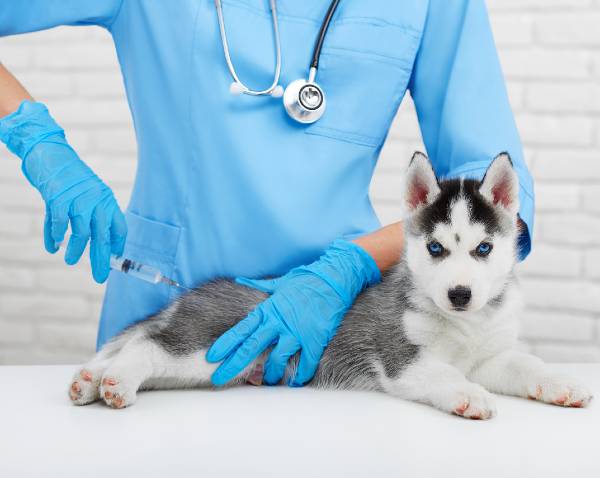
To appreciate the necessity of Pet Vaccinations, one must first understand the "memory" of the immune system. When a pet is vaccinated, we are essentially providing their white blood cells with a "wanted poster" for a specific virus or bacteria.
The Priming Phase
A vaccine contains antigens—proteins that look like the disease-causing agent but cannot actually cause the disease. When introduced into the bloodstream, the immune system identifies these as foreign and begins producing antibodies. This is the "priming" phase. If the pet later encounters the actual "wild" version of the virus in a local dog park or near a suburban creek, their immune system is already armed and ready to neutralize the invader before it can take hold.
The Role of "Boosters"
Immunological memory is not always permanent. Over time, the concentration of protective antibodies can wane. This is why "booster" shots are critical. In 2026, we use sophisticated titer testing in some cases to measure these levels, but for the majority of pets, following a standardized re-vaccination schedule is the most reliable way to prevent "immunity gaps."
2. Regional Risk Assessment: The Pathogens of North Texas
The geography of Allen, TX, presents specific challenges. We are a community characterized by beautiful suburban properties that often border natural greenbelts and creeks. This intersection of human development and wildlife creates a unique "hot zone" for certain diseases.
The Threat of Rabies
Rabies remains a primary concern in North Texas due to the local populations of skunks, bats, and raccoons. Because Rabies is a zoonotic disease—meaning it can be transmitted from animals to humans—and is nearly 100% fatal once symptoms appear, the Rabies vaccine is mandated by Texas state law. It is the foundation of public health and pet safety.
Leptospirosis and Local Waterways
Leptospirosis is a bacterial disease spread through the urine of wildlife. In our region, heavy spring rains can wash this bacteria into standing water or onto damp soil in backyards. Dogs that explore near the edges of local creeks or even drink from puddles in the yard are at high risk. This bacteria can cause permanent kidney and liver failure, and notably, it can also infect humans.
The Parvovirus Resilience
Canine Parvovirus is a highly contagious, devastating gastrointestinal virus that is particularly hardy in our local soil. It can survive for months, even years, in the environment, resisting extreme Texas heat and cold. Without the protection of Pet Vaccinations, a puppy simply walking on a contaminated sidewalk can contract this life-threatening illness.
3. Core vs. Non-Core: Navigating the Options
Not every pet needs every vaccine. Part of our professional authority at Country Creek Animal Hospital involves conducting a "lifestyle audit" for every patient.
Canine Core Vaccines
These are considered essential for all dogs, regardless of lifestyle, due to the severity of the diseases:
Feline Core Vaccines
Even indoor cats require protection, as viruses can be brought into the home on shoes or clothing, and escapes happen:
Non-Core (Lifestyle) Vaccines
These are recommended based on your pet’s habits. If your dog visits local boarding facilities or grooming salons, the Bordetella (Kennel Cough) and Canine Influenza vaccines are essential. For cats that spend time outdoors or live in multi-cat households, the Feline Leukemia (FeLV) vaccine is highly recommended to prevent this incurable immune-suppressing virus.
4. The Puppy and Kitten Series: Building the Foundation
The most vulnerable time in a pet's life is the window between six and sixteen weeks of age. This is when maternal antibodies—protection passed through the mother's milk—begin to fade, leaving the young pet's immune system exposed.
Maternal Antibody Interference
A common question we receive is why puppies and kittens need so many "rounds" of shots. The answer lies in maternal antibody interference. If we vaccinate too early, the mother's antibodies neutralize the vaccine before the puppy's own immune system can learn from it. Because we don't know exactly when the mother's protection wears off, we vaccinate every 3 to 4 weeks during this window to ensure we "catch" the immune system as soon as it is capable of responding.
Socialization vs. Safety
In 2026, we emphasize "safe socialization." While it is important for a puppy to see the world, they should avoid high-traffic areas like public dog parks until they have completed their full series of Pet Vaccinations. Our team provides guidance on how to balance behavioral needs with immunological safety during these formative months.

5. Professional Administration vs. "Farm Store" Vaccines
It can be tempting for homeowners to purchase vaccines at a local supply store and administer them at home. However, this practice carries significant risks that can lead to a false sense of security.
The "Cold Chain" Integrity
Vaccines are delicate biological products. They must be kept at a very specific temperature from the moment they are manufactured until they are injected. If a vaccine sits on a loading dock for an hour or if a store's refrigerator fluctuates, the vaccine can become denatured and useless. Professional veterinary clinics like ours have strict "cold chain" protocols and medical-grade refrigeration to ensure potency.
The Comprehensive Physical Exam
At Country Creek Animal Hospital, a vaccination appointment isn't just a "shot." It is a full physical examination. We never vaccinate a sick pet, as their immune system is already distracted and may not respond correctly to the vaccine. We check the heart, lungs, joints, and dental health, often catching subtle issues during a routine vaccination visit that a homeowner might miss.
6. Adverse Reactions: Myths, Realities, and Safety
A major concern for pet parents is the risk of a reaction. In the modern era of 2026, vaccine manufacturing has become incredibly refined, making serious reactions extremely rare.
Normal vs. Abnormal Responses
It is normal for a pet to be a bit lethargic or have a slightly diminished appetite for 24 hours after Pet Vaccinations. This is actually a sign that the immune system is working! However, abnormal reactions include:
If your pet has a known sensitivity, we don't simply stop vaccinating. Instead, we "pre-treat" with antihistamines and use ultra-pure, non-adjuvanted vaccines designed to minimize irritation. Safety is our priority, and we monitor every patient closely for these rare occurrences.
7. The Feline Leukemia Factor: Why Indoor Cats Aren't Immune
Many Allen residents with indoor-only cats assume their pets are safe from infectious diseases. Unfortunately, this is a dangerous misconception.
The "Window Screen" Risk
Feline Leukemia and other respiratory viruses can be transmitted through indirect contact. If a stray cat wanders onto your porch and interacts with your indoor cat through a screen, transmission can occur. Furthermore, an indoor cat that escapes for even a few hours is at extreme risk if they are not current on their Pet Vaccinations.
Protecting the Most Vulnerable
Feline Leukemia (FeLV) is one of the leading causes of death in cats. It weakens the immune system and can lead to cancer. We recommend that all kittens receive the initial FeLV series, as their future lifestyle—and the potential for accidental exposure—cannot be guaranteed.
8. Canine Influenza: The 2026 Outlook
Canine Influenza (CIV) has become a more prominent threat in metropolitan areas over the last decade. Unlike the human flu, which is seasonal, Canine Influenza can strike at any time of year in North Texas.
Highly Contagious Environments
Because CIV is a relatively "new" virus in the canine population, most dogs have no natural immunity to it. It spreads rapidly through respiratory droplets in grooming salons, boarding facilities, and even during "nose-to-nose" greetings on a walk. While the vaccine may not prevent 100% of infections, it significantly reduces the severity of the disease, preventing it from progressing to life-threatening pneumonia.
9. Titers: When Science Meets Individual Needs
In 2026, "Titer Testing" has become a valuable tool for some pet owners. A titer is a blood test that measures the level of antibodies in a pet's system.
When to Consider Titers
If a pet has a history of severe allergic reactions to vaccines or has an underlying autoimmune condition, we may use titers to see if they still have "protective levels" of immunity from their previous shots. If the titer is high, we may be able to delay a booster. However, titers are not available or reliable for all diseases (such as Leptospirosis or Bordetella), and they do not fulfill the legal requirement for Rabies vaccination in Texas.
10. The Financial Logic of Prevention
As a professional service-industry content writer, I often see homeowners weigh the cost of preventative care against other household expenses. However, the financial argument for Pet Vaccinations is indisputable.
Cost of Prevention vs. Cost of Cure
The cost of a Parvovirus vaccination is a tiny fraction of the cost of a week-long stay in an isolation ward at a veterinary hospital. Treating a dog for Parvovirus or Leptospirosis can easily cost thousands of dollars, with no guarantee of survival. Vaccines are the most cost-effective insurance policy you can buy for your pet’s health.
Public Health and Liability
Beyond the pet's health, maintaining current vaccinations protects the human members of your family from zoonotic diseases. Additionally, if an unvaccinated pet were to bite a neighbor or another animal, the legal and quarantine repercussions in the state of Texas are significantly more severe than for a vaccinated pet.
11. Senior Pets: Do the Requirements Change?
There is a common myth that once a pet reaches a certain age, they no longer need "shots." In reality, the opposite is often true.
Immunosenescence
As pets age, their immune system undergoes "immunosenescence"—a natural decline in the ability to fight off infections. A senior dog's body may not remember how to fight off Distemper as well as a younger dog's body. Furthermore, a senior pet's system is less resilient to the stress of a disease. Keeping up with Pet Vaccinations is vital to protecting our aging companions during their most vulnerable years.
12. Preparing for Your Vaccination Visit
To make the process as smooth as possible for your pet, there are a few steps you can take before arriving at Country Creek Animal Hospital.
13. Frequently Asked Questions (FAQ)
Q: Can I get my pet's Rabies shot at a pop-up clinic? A: While Rabies-only clinics exist, they often lack the comprehensive medical history and physical exam that we provide at Country Creek Animal Hospital. A Rabies shot is a legal document; ensuring it is performed by your primary veterinarian ensures that your records are centralized and accurate.
Q: Why does my indoor-only cat need a Rabies shot? A: It is required by law in Allen, TX. More importantly, bats (the primary carriers of Rabies in Texas) frequently find their way into houses. An indoor cat that catches a bat is at extreme risk if not vaccinated.
Q: My dog never goes to a boarding facility. Does he need the Bordetella vaccine? A: If your dog walks in public areas, visits the groomer, or even greets other dogs through a fence, they are at risk. "Kennel Cough" is a bit of a misnomer—it should be called "Social Dog Cough."
Q: Will the vaccines make my pet feel sick? A: Most pets feel perfectly fine. A small percentage may be sleepy for the evening. If your pet seems truly distressed, we are always just a phone call away to provide guidance.
14. The Community Impact of Vaccination
When you vaccinate your pet, you are participating in a concept known as "Herd Immunity."
Protecting the Unprotected
Some pets in our community cannot be vaccinated due to severe illness or age. When the vast majority of pets in Allen are vaccinated, the "wild" virus has no place to hide and cannot spread. By keeping your pet current on their Pet Vaccinations, you are helping to keep the entire local pet population safer.
Eradicating Disease
Historically, widespread vaccination has almost entirely eliminated diseases that once killed thousands of pets annually. By remaining vigilant, we ensure these devastating illnesses do not make a comeback in our neighborhoods.
15. Conclusion: Your Partner in Long-Term Wellness
In the fast-paced world of 2026, your home and family are your sanctuary. Protecting the smallest members of that family is a responsibility we take seriously. Pet Vaccinations are not just a routine chore; they are a sophisticated medical intervention designed to keep your companions by your side for as many years as possible.
At Country Creek Animal Hospital, we combine technical accuracy with a deep commitment to the pets of Allen, TX. We invite you to visit our Homepage to learn more about our philosophy of care and to explore our full range of Pet Vaccinations.
The bond you share with your pet is unique. Let’s protect it with the best that modern medicine has to offer. Whether you have a new puppy starting their journey or a senior cat who has been your constant companion for a decade, we are here to ensure their "shield" remains strong.