
What Age Should You Spay or Neuter Your Pet? A Veterinarian-Guided Guide for Pet Owners in Allen, TX

Michael Rayburn • December 19, 2025

Deciding when to spay or neuter your pet is one of the most important health decisions you’ll make as a pet owner. Beyond preventing unplanned litters, spay and neuter surgery plays a critical role in your pet’s long-term health, behavior, and overall quality of life. Yet many pet parents in Allen, TX understandably ask the same question: What is the right age to spay or neuter my dog or cat?

At Country Creek Animal Hospital, this question is addressed with individualized veterinary guidance rather than a one-size-fits-all answer. While many pets benefit from spay or neuter surgery around 5–6 months of age, factors such as breed, size, health status, and lifestyle all influence the ideal timing. This article is designed to support our FAQ by offering a deeper, veterinarian-informed explanation of spay and neuter timing—so you can feel confident making the best choice for your pet.

To learn more about our hospital’s approach to preventive care, visit the Country Creek Animal Hospital homepage:
https://www.countrycreekvets.com/

Understanding Spay and Neuter Surgery

Spaying and neutering are routine veterinary procedures performed safely millions of times each year. Spaying refers to the surgical removal of a female pet’s ovaries and uterus, while neutering involves the removal of a male pet’s testicles. These procedures prevent reproduction, but their benefits extend far beyond population control.

Veterinary research and clinical experience show that spay and neuter surgery can:

  • Reduce the risk of reproductive cancers
  • Prevent serious uterine infections (pyometra)
  • Decrease hormone-driven behaviors
  • Support a longer, healthier life

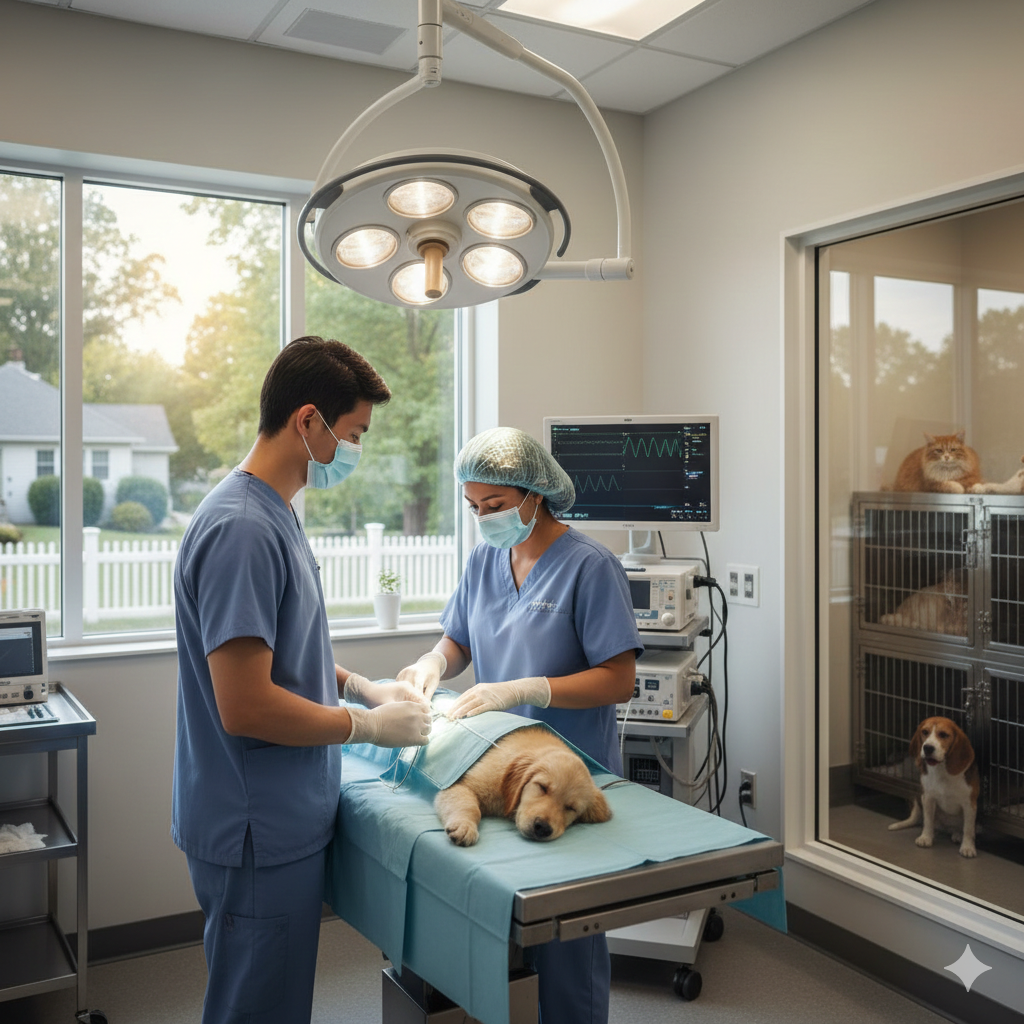
At Country Creek Animal Hospital, spay and neuter procedures are performed using modern surgical techniques, tailored anesthesia protocols, and comprehensive monitoring to ensure patient safety before, during, and after surgery.

You can explore our surgical standards and patient care philosophy on our Spay and Neuter Services page:
https://www.countrycreekvets.com/services/spay-and-neuter

Why Age Matters When Spaying or Neutering

The age at which a pet is spayed or neutered influences both immediate surgical safety and long-term health outcomes. Hormonal development, bone growth, immune function, and breed-specific risks all play a role in determining the ideal timeframe.

For many dogs and cats, veterinarians commonly recommend spay or neuter surgery around 5–6 months of age, especially when pets are not intended for breeding. At this stage, pets are generally healthy enough for anesthesia, and the procedure can help prevent reproductive behaviors from developing.

However, veterinary medicine has evolved to recognize that earlier or later timing may be appropriate depending on the individual pet. This is why Country Creek Animal Hospital emphasizes consultation and personalized care rather than rigid timelines.

Spay and Neuter Timing for Puppies

Small and Medium Breed Dogs

For most small to medium breed dogs, spaying or neutering between 5 and 6 months remains a widely accepted and safe recommendation. At this age:

  • Surgical risks are low
  • Recovery is typically quick
  • Hormone-related behaviors are less likely to develop

Spaying female dogs before their first heat cycle can significantly reduce the risk of mammary tumors later in life. Neutering males can lower the likelihood of prostate disease and testicular cancer.

Large and Giant Breed Dogs

Large and giant breed dogs often require a more nuanced approach. Some veterinary studies suggest that waiting until skeletal growth is more complete may help reduce the risk of orthopedic issues in certain breeds. Because of this, veterinarians at Country Creek Animal Hospital may recommend delaying surgery until later puppyhood or adolescence for some large breeds.

This individualized decision highlights the importance of veterinary guidance rather than relying on general internet advice.

Spay and Neuter Timing for Kittens

Cats generally mature faster than dogs, and many kittens can safely be spayed or neutered as early as 4–6 months of age. Early spay and neuter in cats offers several benefits:

  • Prevents early pregnancy, which can occur as young as four months
  • Reduces urine spraying and territorial behaviors
  • Lowers the risk of reproductive cancers

For indoor and outdoor cats alike, timely spay or neuter surgery is one of the most effective ways to support lifelong health and prevent unwanted litters.

Health Benefits Backed by Veterinary Experience

Spay and neuter surgery is widely supported by veterinary organizations due to its proven health benefits. At Country Creek Animal Hospital, recommendations are grounded in both scientific evidence and years of clinical experience caring for pets in the Allen, TX community.

Health Benefits for Female Pets

  • Reduced risk of mammary tumors
  • Elimination of uterine infections
  • No heat cycles or associated behaviors

Health Benefits for Male Pets

  • Prevention of testicular cancer
  • Lower risk of prostate enlargement and infection
  • Reduced roaming and marking behaviors

These benefits are most impactful when surgery is performed at an appropriate age, which reinforces why individualized veterinary assessment is essential.

Behavioral Considerations and Quality of Life

Beyond physical health, spay and neuter surgery can positively influence a pet’s behavior and emotional well-being. Pets altered at the right time are often:

  • Less likely to roam or escape
  • Less prone to aggression related to hormones
  • Easier to train and manage

For families in Allen, TX, this can mean a safer, more relaxed household and a stronger bond between pets and owners.

Safety, Anesthesia, and Surgical Standards

One of the most common concerns pet owners have is surgical safety—especially when it comes to young animals. At Country Creek Animal Hospital, patient safety is a top priority.

Before surgery, pets receive:

  • A comprehensive physical examination
  • Pre-anesthetic bloodwork when appropriate
  • Customized anesthesia plans based on size, age, and health

During the procedure, pets are continuously monitored by trained veterinary professionals. After surgery, detailed recovery instructions and pain management plans ensure comfort and smooth healing at home.

This commitment to high standards is part of what makes Country Creek Animal Hospital a trusted veterinary provider in Allen, TX.

When Delaying Spay or Neuter May Be Recommended

While early spay and neuter is beneficial for many pets, there are situations where delaying surgery may be appropriate:

  • Pets with certain medical conditions
  • Large breed dogs still undergoing rapid growth
  • Pets needing stabilization before anesthesia

Your veterinarian will evaluate these factors during a consultation and explain the risks and benefits of timing options in clear, understandable terms.

The Importance of Veterinary Consultation

No blog or FAQ can replace a one-on-one veterinary conversation. The guidance provided by the veterinarians at Country Creek Animal Hospital is based on:

  • Your pet’s breed and size
  • Overall health and medical history
  • Lifestyle and environment
  • Long-term wellness goals

Scheduling a consultation ensures your pet receives care tailored specifically to them—not generalized advice.

To schedule an appointment or learn more about our services, visit:
https://www.countrycreekvets.com/

Supporting Responsible Pet Ownership in Allen, TX

Spaying and neutering are not just medical procedures—they are part of responsible pet ownership. By preventing unwanted litters, pet owners help reduce the number of animals in shelters and support a healthier pet population within the Allen community.

Country Creek Animal Hospital is proud to partner with local pet families by providing education, preventive care, and compassionate veterinary services that support lifelong health.

Frequently Asked Question Revisited

What age should my pet be spayed or neutered in Allen, TX?

Most pets benefit from spay or neuter surgery around 5–6 months of age if they are not intended for breeding. However, your pet’s breed, size, and health status can influence the ideal timing. A consultation with the veterinary team at Country Creek Animal Hospital ensures the safest and most beneficial plan for your individual pet.

Final Thoughts: Making the Best Decision for Your Pet

Choosing when to spay or neuter your pet is an important step in their healthcare journey. With expert guidance, modern surgical care, and a personalized approach, Country Creek Animal Hospital helps pet owners in Allen, TX make informed, confident decisions.

If you’re considering spay or neuter surgery or have questions about your pet’s ideal timing, explore our dedicated Spay and Neuter Services page or contact our team directly for expert support.

Pet Boarding in Allen TX
By Michael Rayburn December 19, 2025
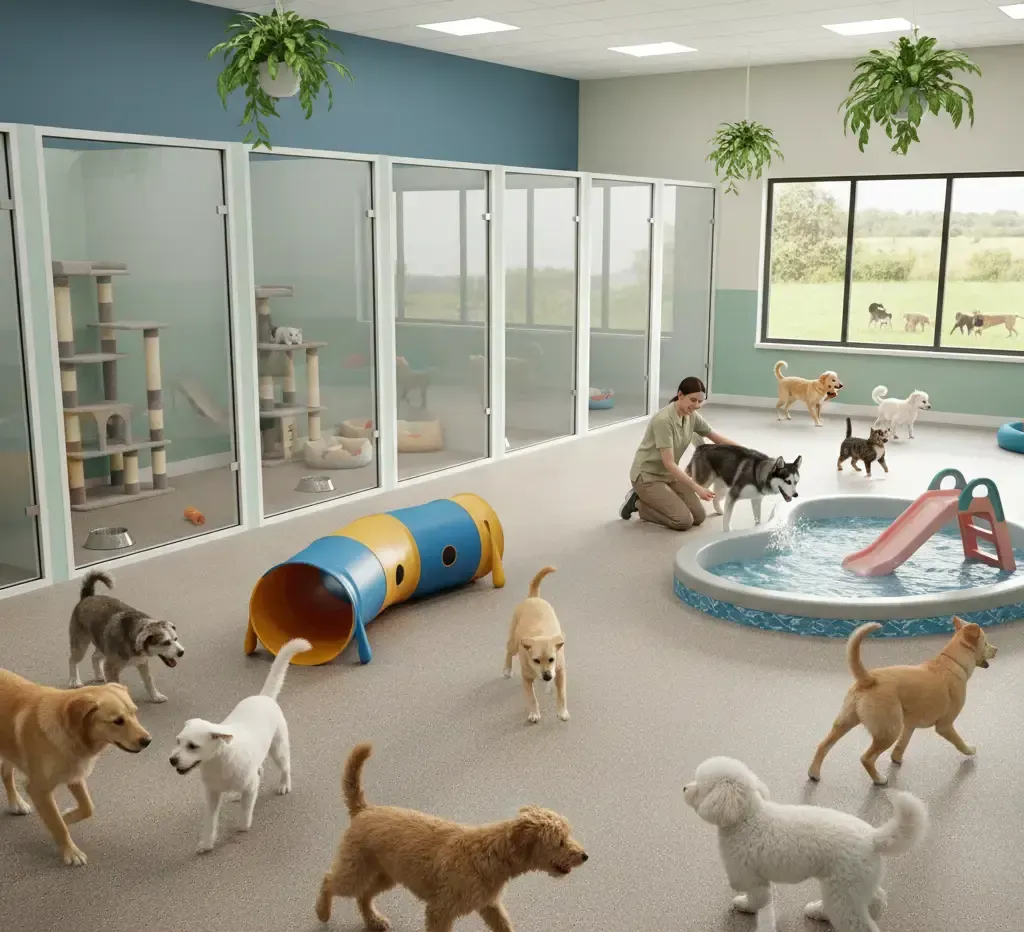
Pet Boarding in Allen, TX at Country Creek Animal Hospital—safe, loving care for your pets while you're away. Book a stay today!
dog and puppy wellness in Allen TX
By Michael Rayburn December 19, 2025
Scheduling your dog’s first wellness exam is one of the most important steps you can take toward protecting their long-term health. Whether you’ve just welcomed a new puppy into your home or adopted an adult dog, that first veterinary visit establishes the foundation for preventive care, trust, and lifelong wellness. At Country Creek Animal Hospital , first wellness exams are designed to be comprehensive, educational, and tailored to your dog’s unique needs. Rather than rushing through a checklist, the veterinary team focuses on building a complete understanding of your dog’s health while helping you feel informed and confident as a pet owner. This article expands on the frequently asked question about your dog’s first wellness exam and explains exactly what you can expect during this important visit. As a trusted veterinary provider serving families in Allen, TX, Country Creek Animal Hospital is committed to proactive care that supports dogs at every life stage. Why Your Dog’s First Wellness Exam Matters A first wellness exam is much more than a routine appointment. It establishes a medical baseline that allows veterinarians to monitor changes over time, detect potential health concerns early, and create a preventive care plan tailored to your dog’s lifestyle and risk factors. Early wellness care helps: Identify underlying health issues before symptoms appear Support healthy growth and development Reduce the likelihood of preventable diseases Build positive associations with veterinary visits Dogs who receive consistent preventive care throughout their lives tend to live longer, healthier, and more comfortable lives. That’s why the team at Country Creek Animal Hospital places such a strong emphasis on wellness-focused veterinary medicine. A Calm and Welcoming First Visit Experience Your dog’s experience begins as soon as you arrive. First visits can be overwhelming, especially for puppies who are encountering new sights, sounds, and smells. The veterinary team uses low-stress handling techniques and compassionate communication to help your dog feel safe and supported. During check-in, the team will review: Your dog’s age, breed, and background Any prior medical or adoption records Diet, daily routine, and environment Concerns or observations you’ve noticed at home This information allows the veterinarian to personalize the visit and ensure your dog receives care tailored to their individual needs. The Head-to-Tail Physical Examination The cornerstone of your dog’s first wellness exam is a thorough head-to-tail physical evaluation . This exam gives the veterinarian a complete picture of your dog’s current health and provides a baseline for future visits. What the Physical Exam Includes Your veterinarian will carefully assess: Eyes, ears, nose, and throat Teeth and gums for early dental disease Heart and lungs for normal rhythm and function Abdomen for organ health and comfort Skin and coat condition Joints, muscles, and mobility Weight and overall body condition This detailed evaluation helps identify subtle changes that may not yet be visible at home and supports early intervention when needed. Parasite Screening and Prevention Parasites pose a significant health risk to dogs, especially puppies. Many intestinal parasites are not visible and can cause long-term issues if left untreated. During your dog’s first wellness exam, parasite screening and prevention are key components of care. Your veterinarian may recommend: Fecal testing to screen for intestinal parasites Heartworm testing when age-appropriate Year-round flea and tick prevention Preventive parasite care protects not only your dog but also other pets and people in your household. Age-Appropriate Vaccinations Vaccinations are essential for protecting dogs from serious and potentially life-threatening diseases. During your dog’s first wellness visit, the veterinarian will review vaccination history and create a customized schedule based on age, lifestyle, and exposure risk. Common Puppy Vaccinations For puppies, early visits often include: DA2PP (distemper, adenovirus, parvovirus, parainfluenza) Bordetella (kennel cough) Your veterinarian will explain what each vaccine protects against, why it’s recommended, and when booster doses are needed. Adult dogs new to the practice will also have their vaccination status carefully reviewed. Deworming and Ongoing Preventive Medications Many puppies are exposed to intestinal parasites early in life, even when they appear healthy. As part of the first wellness exam, veterinarians often recommend a deworming protocol and discuss ongoing prevention. Preventive recommendations may include: Monthly heartworm prevention Flea and tick control Broad-spectrum parasite prevention These recommendations are tailored to your dog’s size, age, and lifestyle in the Allen, TX area. Client Consultation and Education A defining feature of your dog’s first wellness exam is the one-on-one client consultation . This is your opportunity to ask questions and receive expert guidance directly from your veterinarian. Common discussion topics include: Nutrition and feeding recommendations House-training and behavior guidance Exercise and socialization Grooming and dental care Spay or neuter timing Long-term preventive health planning At Country Creek Animal Hospital, education is considered just as important as medical care. Informed pet owners are better equipped to recognize early warning signs and make confident health decisions. “Country Creek College” and Preventive Education As part of its wellness philosophy, Country Creek Animal Hospital emphasizes preventive education—often referred to as Country Creek College . This approach focuses on teaching pet owners how to actively support their dog’s health outside the clinic. Education often includes: Recognizing early signs of illness Understanding normal vs. abnormal behaviors Preventing common health conditions Creating healthy daily routines This structured education helps ensure dogs receive consistent care throughout their lives, not just during veterinary visits. A Personalized Dog & Puppy Wellness Plan Every dog is unique, which is why wellness care should never be generic. By the end of your dog’s first visit, your veterinarian will create a personalized wellness plan that evolves as your dog grows. This plan may include: Future vaccination schedules Preventive medication timelines Recommended follow-up exams Nutritional or lifestyle adjustments Pet owners can learn more about how these customized plans support long-term health by exploring the hospital’s dog and puppy wellness services , which outline preventive care for every stage of life. Why Early Wellness Care Makes a Long-Term Difference Starting wellness care early allows veterinarians to: Track growth and development accurately Identify breed-specific health risks Reduce stress during future veterinary visits Address potential concerns before they become serious Dogs who receive routine wellness exams are more likely to avoid emergency visits and experience better overall quality of life. Veterinary Expertise You Can Trust Choosing a veterinarian is an important decision. Families throughout Allen, TX trust Country Creek Animal Hospital because of its commitment to evidence-based medicine, continuing education, and compassionate care. The veterinary team prioritizes: Medical expertise grounded in current standards of care Clear, transparent communication Individualized treatment recommendations Respect for every pet and family Pet owners interested in learning more about the hospital’s values, team, and approach to care can visit the Country Creek Animal Hospital home page to explore their full range of veterinary services. Preparing for Your Dog’s First Wellness Exam To help your dog have a smooth first visit: Bring any medical or adoption records Write down questions or concerns in advance Keep your dog safely leashed or in a carrier Stay calm and reassuring throughout the visit Your veterinary team is there to guide you every step of the way. FAQ Expanded: What Should I Expect During My Dog’s First Wellness Exam? Your dog’s first wellness exam includes a thorough head-to-tail physical evaluation, parasite screening, and a detailed consultation with your veterinarian. For puppies, the visit focuses on age-appropriate vaccinations such as DA2PP and Bordetella, along with a deworming plan. Preventive education covering nutrition, grooming, and parasite prevention is also introduced, setting the foundation for lifelong health and wellness. Supporting Lifelong Health for Dogs in Allen, TX Preventive care is one of the most effective ways to protect your dog’s health. By scheduling routine wellness exams and building a long-term relationship with your veterinary team, you’re making an investment in your dog’s future. Country Creek Animal Hospital is proud to support dogs and their families in Allen, TX with compassionate, expert-led care at every life stage. Final Thoughts Your dog’s first wellness exam is the beginning of a trusted partnership focused on prevention, education, and long-term health. With a personalized approach and a commitment to excellence, Country Creek Animal Hospital helps pet owners feel confident from the very first visit. If you’re preparing for your dog’s first appointment, learning more about dog and puppy wellness services or exploring Country Creek Animal Hospital is the perfect next step.
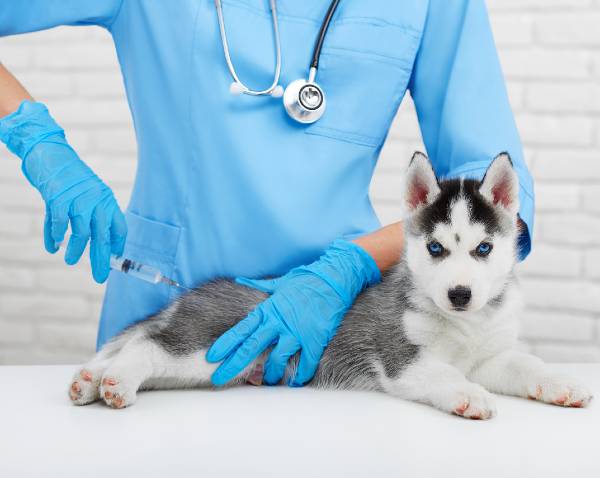
Vaccinations Puppies in Allen, TX
By Michael Rayburn December 19, 2025
Bringing a new puppy into your home is an exciting milestone—but it also comes with important responsibilities, especially when it comes to protecting your pet’s health. One of the most critical steps in early puppy care is following a proper vaccination schedule. In Allen, TX and across North Texas, puppies face exposure to a variety of contagious diseases that can be serious or even life-threatening if left unprotected. Vaccinations play a vital role in helping your puppy build immunity during their most vulnerable stages of development. This guide explains which vaccinations puppies need, when they should receive them, why certain vaccines are required by law, and how a personalized vaccination plan supports long-term health. It also helps new pet owners understand how veterinary guidance ensures safe, effective immunization tailored to local risk factors. Why Puppy Vaccinations Are So Important Puppies are born with immature immune systems. While they receive some antibodies from their mother, that protection fades quickly—often before the puppy is old enough to fight off infections on their own. Vaccinations: Help prevent life-threatening diseases Reduce the spread of contagious illnesses Protect other pets and people in the community Support long-term immune system health Without proper vaccination, even common exposures—such as parks, grooming facilities, or boarding—can pose serious risks. When Do Puppy Vaccinations Begin? Most puppies begin vaccinations at around 6–8 weeks of age , depending on their health status and background. Early veterinary visits are essential for establishing a baseline of care and determining the safest schedule. Puppy vaccines are not given all at once. Instead, they are administered in a series of boosters , allowing the immune system to build lasting protection over time. Core Vaccines Recommended for Puppies Core vaccines are considered essential for all dogs, regardless of lifestyle. These vaccines protect against diseases that are widespread, highly contagious, or pose a risk to human health. DA2PP Vaccine The DA2PP vaccine is one of the most important immunizations for puppies. It protects against: Distemper – a highly contagious viral disease affecting the respiratory, gastrointestinal, and nervous systems Adenovirus (Hepatitis) – causes liver disease and can be fatal Parainfluenza – contributes to respiratory illness Parvovirus – a severe and often deadly gastrointestinal virus common in puppies This vaccine is typically administered in a series of doses starting at around 8 weeks of age, with boosters given every few weeks until the puppy reaches about 16 weeks. Rabies Vaccine Rabies vaccination is required by Texas law and is essential for both pet and public safety. Rabies is a fatal disease that can be transmitted to humans, making vaccination legally and medically necessary. Most puppies receive their first rabies vaccine between 12 and 16 weeks of age , followed by boosters according to state guidelines. Non-Core Vaccines: Tailored to Your Puppy’s Lifestyle Non-core vaccines are recommended based on a puppy’s environment, lifestyle, and exposure risk. While not every puppy needs every non-core vaccine, many dogs in Allen benefit from additional protection. Bordetella (Kennel Cough) Bordetella is a highly contagious respiratory infection commonly spread in places where dogs interact closely, such as: Boarding facilities Daycare centers Grooming salons Training classes Annual Bordetella vaccination is often recommended for puppies who will socialize with other dogs. Leptospirosis Leptospirosis is a bacterial disease spread through contaminated water, soil, or wildlife urine. It can affect both dogs and humans and is more common in areas with standing water or wildlife exposure. In North Texas, leptospirosis vaccination may be recommended depending on: Outdoor activity levels Proximity to wildlife Local exposure risks Why Puppy Vaccination Schedules Are Not One-Size-Fits-All Every puppy is unique. Breed, age, health history, environment, and lifestyle all influence vaccination decisions. Veterinary professionals evaluate: Your puppy’s current health Local disease prevalence Household risk factors Planned activities (boarding, travel, training) This personalized approach ensures your puppy receives the right protection without unnecessary vaccinations. The Role of Veterinary Expertise in Safe Vaccination Vaccinations are not just about administering shots—they involve careful timing, proper dosing, and medical oversight. Veterinary teams monitor: Your puppy’s response to vaccines Potential side effects Overall wellness during development This clinical oversight ensures vaccinations are safe, effective, and appropriate for your puppy’s stage of growth. Common Questions New Puppy Owners Have About Vaccines Are Puppy Vaccines Safe? Yes. Puppy vaccines are extensively tested and widely used. While mild side effects such as temporary soreness or low energy can occur, serious reactions are rare. Veterinary staff are trained to identify and manage any adverse responses. Can Puppies Go Outside Before Completing Vaccinations? Limited outdoor exposure may be safe, but puppies should avoid: Dog parks High-traffic pet areas Unknown dogs Your veterinarian can provide guidance on safe socialization during the vaccination process. What Happens If Vaccinations Are Delayed? Delaying vaccinations increases your puppy’s risk of contracting preventable diseases. Missed boosters may require restarting portions of the vaccine series, delaying full protection. Why Local Veterinary Care Matters in Allen, TX Disease risks vary by region. Working with a local veterinary team ensures vaccination recommendations reflect the specific conditions puppies face in Allen and surrounding areas. At Country Creek Animal Hospital , vaccination protocols are developed with North Texas exposure risks in mind, helping puppies receive protection tailored to their environment. You can learn more about their approach to preventive care by visiting the main website at Country Creek Animal Hospital . How Pet Vaccinations Support Long-Term Health Vaccinations are an investment in your puppy’s future health. Preventing disease early can help avoid: Emergency veterinary visits Long-term complications Costly treatments Reduced quality of life A strong vaccination foundation supports a healthier, more active life for your pet. Wellness-Focused Care Beyond Vaccinations Vaccination visits also provide an opportunity to monitor overall development. During puppy wellness appointments, veterinarians assess: Growth and weight Dental development Nutrition needs Parasite prevention Behavioral milestones This comprehensive approach ensures puppies receive holistic care—not just immunizations. When to Schedule Your Puppy’s First Vet Visit Ideally, puppies should be seen by a veterinarian within the first week of coming home . Early visits allow for: Establishing a vaccination timeline Identifying health concerns early Building a trusted relationship with your veterinary team Early care sets the stage for lifelong wellness. Pet Vaccination Services in Allen, TX Country Creek Animal Hospital provides compassionate, wellness-focused vaccination services designed to protect puppies through every stage of development. Their team emphasizes: Personalized vaccine plans Clear communication with pet owners Safe, evidence-based protocols You can explore their full pet vaccination services to learn how they support preventive care for dogs and puppies in Allen, TX. Final Thoughts: Giving Your Puppy the Best Start Puppy vaccinations are one of the most important steps you can take to protect your pet’s health. By following a properly timed, veterinarian-guided vaccination schedule, you help safeguard your puppy from serious diseases while supporting healthy development. Working with a trusted local veterinary team ensures your puppy receives the right care at the right time—setting the foundation for a happy, healthy life.
pet wellness exam
By Michael Rayburn November 14, 2025
Ensure your pet’s health with a comprehensive pet wellness exam. Early detection, preventive care, and expert guidance for a happier, healthier pet.
pet vaccinations
By Michael Rayburn November 14, 2025
Keep your pets healthy with essential vaccinations. Protect them from diseases with safe, reliable, and professional pet vaccination services.
By Michael Rayburn October 6, 2025
The body content of your post goes here. To edit this text, click on it and delete this default text and start typing your own or paste your own from a different source.
pet dental care
By Michael Rayburn October 6, 2025
Keep your pet healthy with professional pet dental care. Prevent plaque, bad breath, and dental issues for a happier, longer life.
veterinarian
By Michael Rayburn September 4, 2025
Find a trusted veterinarian near you for expert pet care, checkups, and treatments. Compassionate care to keep your pets healthy and happy.
Allen Veterinarian
By Michael Rayburn September 4, 2025
Compassionate Allen veterinarian providing expert pet care, wellness exams, and treatments to keep your pets healthy and happy.
veterinarian
By Michael Rayburn August 5, 2025
As your beloved pet grows older, their needs evolve, requiring more attention and care than ever before. Just like humans, our furry companions face unique challenges as they age, from joint discomfort to chronic medical conditions. This comprehensive blog, brought to you by the caring team at Country Creek Animal Hospital, is designed to guide you through the essentials of senior pet care with practical, veterinarian-vetted advice. Whether you have a senior dog, cat, or another cherished companion, understanding how to manage aging and chronic conditions is key to ensuring their golden years are truly golden. Recognizing the Signs of Aging in Your Pet Aging in pets can be subtle or pronounced. It’s often a veterinarian who first notices changes during annual wellness exams, but as a loving owner, you can spot early signs too. You may see that your dog moves more slowly, or your cat doesn’t groom like they used to. Age-related conditions can manifest as stiffness, vision or hearing loss, changes in appetite, or new lumps and bumps. It’s crucial to keep a record of any behavioral shifts and bring them up with your vet near me during routine visits. The role of a veterinarian is pivotal in identifying these signs early. While an attentive owner provides daily insights, the advanced knowledge of your vet helps differentiate between normal aging and issues needing intervention. For some owners, regular communication with the veterinarian becomes even more important, as small observations can lead to early diagnosis of chronic conditions. Why Routine Vet Visits Matter More for Senior Pets Just as humans visit medical professionals more frequently with age, regular vet checkups are a lifeline for senior pets. The veterinarian’s exam goes beyond looking for obvious illness; it involves checking for subtle changes in organ function, behavior, and physical ability. At Country Creek Animal Hospital, proactive senior wellness care means catching problems when they're small and most manageable. Senior pets are prone to heart disease, kidney problems, arthritis, and diabetes. Routine vet visits enable your veterinarian to perform diagnostic bloodwork, monitor weight, and adjust care strategies immediately. Taking your aging pet to the vet at least twice a year can make a dramatic difference in their quality of life. Both the vet and the owner work in partnership to keep chronic conditions under control, allowing dogs and cats to age with grace and comfort. The Importance of Customized Nutrition As pets age, their metabolism and dietary requirements shift. A veterinarian can recommend the right nutrition plan tailored to your pet’s stage of life. Senior pets often need diets lower in calories but higher in quality protein and specific vitamins or minerals. Specialized food may also include ingredients to support joint health and digestion. Don’t make changes to your pet’s diet on a whim. Always involve your vet when planning nutritional adjustments. At your next visit to your veterinarian at Country Creek Animal Hospital, ask about senior formulas or supplements. With expert input, your pet’s nutritional needs will be met, supporting healthy aging and helping to manage any chronic illnesses effectively. Managing Mobility and Joint Health Mobility issues top the list of concerns for senior pet owners. Arthritis and stiffness can make even the most playful animal slow down. The vet’s knowledge in diagnosing and treating joint issues is indispensable. Modern veterinarians use a combination of therapies—ranging from weight management to medications and supplements—to keep senior pets moving comfortably. Don’t underestimate the impact of daily routines. Soft bedding, ramps, and easy access to food and water help your aging companion navigate safely at home. Ask your veterinarian for exercises you can do at home to keep muscles strong and joints supple. Regular evaluation by your vet prevents minor discomfort from becoming major pain, keeping your pet's twilight years active and enjoyable. Monitoring and Treating Chronic Conditions Many senior pets develop chronic conditions like diabetes, heart disease, or kidney failure. Effective management is a team effort between you and your veterinarian. Frequent checkups, at-home monitoring, and prompt adjustments to medication make a world of difference. The vet is your go-to resource for up-to-date treatment plans, medication options, and local support services. Country Creek Animal Hospital emphasizes individualized care for each pet, understanding that what works for one patient may differ for another. As soon as you notice changes in behavior, appetite, or elimination habits, reach out to your veterinarian. Early action is key, and consistent monitoring means better outcomes. How Dental Care Impacts Overall Health Dental disease is common in older pets, and keeping your pet’s mouth healthy can prevent other medical issues. Schedule dental checks with your veterinarian and discuss professional cleaning when necessary. Home care, such as tooth brushing or dental treats, should be introduced gradually and under your vet’s guidance. Before any dental procedure, talk with your vet about safe anesthesia protocols for seniors. Many veterinarians, including those at Country Creek Animal Hospital, are highly experienced in managing dental care for aging pets, making dental visits as stress-free as possible for both pet and owner. Adapting Your Home for Senior Pets Your aging pet may need changes in their environment to thrive. Consider adding non-slip rugs for traction, orthopedic beds for comfort, and litter boxes with lower sides for easy access. Consult with your veterinarian on home modifications that would benefit your pet’s mobility or ease anxiety. A vet who knows your animal well can provide tailored advice, especially if chronic conditions or disabilities are present. At Country Creek Animal Hospital, your veterinarian takes time during each appointment to discuss environmental adjustments, ensuring your pet’s home remains a place of safety and comfort. Understanding Cognitive Changes in Senior Pets Cognitive decline, similar to dementia in humans, can affect pets as they age. Disorientation, disrupted sleep cycles, or changes in interaction can be worrisome. Your vet is essential in distinguishing normal aging from cognitive dysfunction. Veterinarians now have access to specialized diets, medications, and enrichment strategies. Regular interaction with your vet helps you stay ahead of these changes, improving your senior pet’s daily life. Your veterinarian might recommend puzzle toys, new training exercises, or other ways to keep your pet mentally engaged. Grooming and Skin Care for Older Animals As pets age, their skin and coat often need extra attention. Dry, flaky skin and matted fur are more common in older animals, especially those who have difficulty grooming themselves. Regular brushing sessions not only keep your pet comfortable but also strengthen your bond. If you notice lumps, rashes, or sores, seek your veterinarian’s input. The vet can rule out infections or tumors and recommend products for sensitive skin. A visit to Country Creek Animal Hospital will ensure your older pet gets the gentle grooming and medical attention necessary to look and feel their best. Emotional Wellbeing: Keeping Senior Pets Happy Aging can be stressful for pets, especially if chronic conditions lead to discomfort or confusion. Your veterinarian is not just focused on the physical; they understand the emotional needs of older animals too. Engage in gentle play, short walks, or snuggle time—whatever your pet enjoys most. A caring vet might suggest strategies for minimizing anxiety during storms or travel, helping your pet feel secure in their changing world. When to Seek Help: Recognizing Medical Emergencies Even with great senior care, emergencies can arise. Know the signs that require immediate attention: difficulty breathing, sudden collapse, uncontrolled vomiting or diarrhea, or refusal to eat or drink for more than a day. Contact your vet or the team at Country Creek Animal Hospital right away in such cases. Your veterinarian is your partner in making those tough decisions, offering clear guidance and compassionate support. When in doubt, a vet’s advice—gained through years of specialized training—is always the safest path for your senior pet. Frequently Asked Questions (FAQs)