
The Science of Longevity: How Spay and Neuter Procedures Define Long-Term Wellness for North Texas Pets in 2026
When a new puppy or kitten joins a household in Allen, TX, the initial weeks are often a whirlwind of vaccinations, house-training, and socialization. Amidst this excitement, one of the most significant medical decisions a pet owner will face is the timing and execution of a spay and neuter procedure. Far from being a simple "routine" surgery, these procedures represent a fundamental shift in a pet’s biological trajectory. In the modern veterinary landscape of 2026, we view these surgeries not merely as a means of population control, but as a preventative healthcare strategy designed to mitigate life-threatening diseases and behavioral complications.
At Country Creek Animal Hospital, we understand that pet owners in our community are looking for more than just a clinical service; they are looking for a lifespan-extension strategy. The decision to spay and neuter is an investment in your pet's future health, reducing the risk of reproductive cancers and life-threatening infections while curbing behaviors that can strain the human-animal bond. This guide explores the technical, medical, and practical realities of these procedures, tailored to the specific needs of families in our North Texas environment.
1. The Biological Mandate: Why Preventative Surgery Matters
To understand the necessity of a spay and neuter plan, one must look at the physiological toll that intact reproductive organs can take on a domestic animal over time. Hormones like estrogen, progesterone, and testosterone serve vital functions in early development, but their long-term, cyclical presence can lead to systemic failures.
Eliminating the Risk of Pyometra
For female dogs and cats, the most immediate "hidden" danger of remaining intact is pyometra. This is a severe, life-threatening infection of the uterus that occurs most frequently in middle-aged to senior intact females. Because of the hormonal changes that occur during the heat cycle, the uterine lining thickens and becomes susceptible to bacterial invasion. Once an infection takes hold, the uterus fills with toxins that can quickly lead to kidney failure or sepsis. By choosing to spay and neuter, specifically the ovariohysterectomy (spay), the uterus is removed entirely, eliminating this risk 100%.
Mitigating Mammary Neoplasia
The timing of a spay procedure has a direct, statistically proven impact on the development of mammary (breast) tumors. In dogs, spaying before the first heat cycle reduces the risk of mammary cancer to almost zero. With every subsequent heat cycle, that protective benefit diminishes. In cats, the statistics are even more stark, as over 90% of mammary tumors in felines are highly malignant. Early intervention is the most effective "cancer vaccine" we have in veterinary medicine.
2. Navigating the 2026 Surgical Experience: Safety and Precision
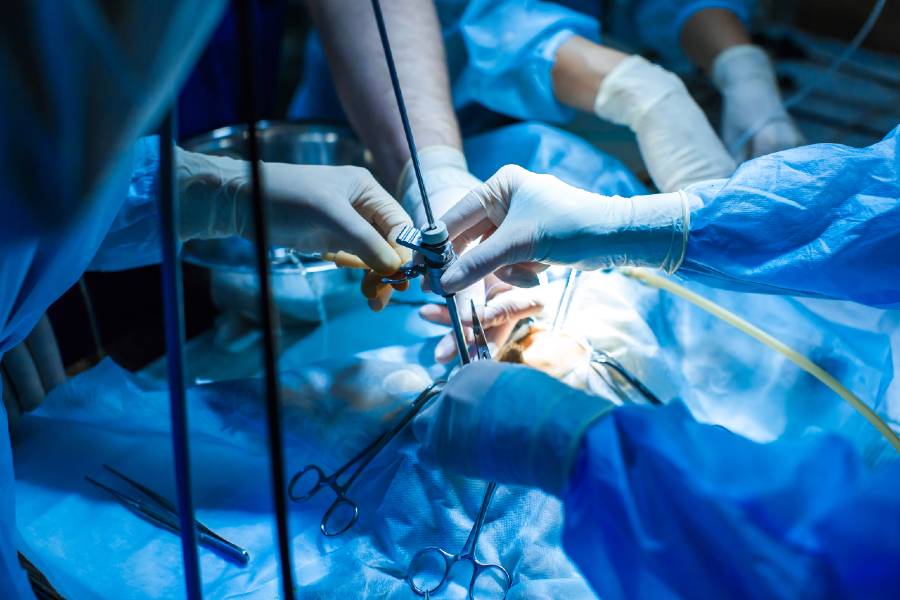
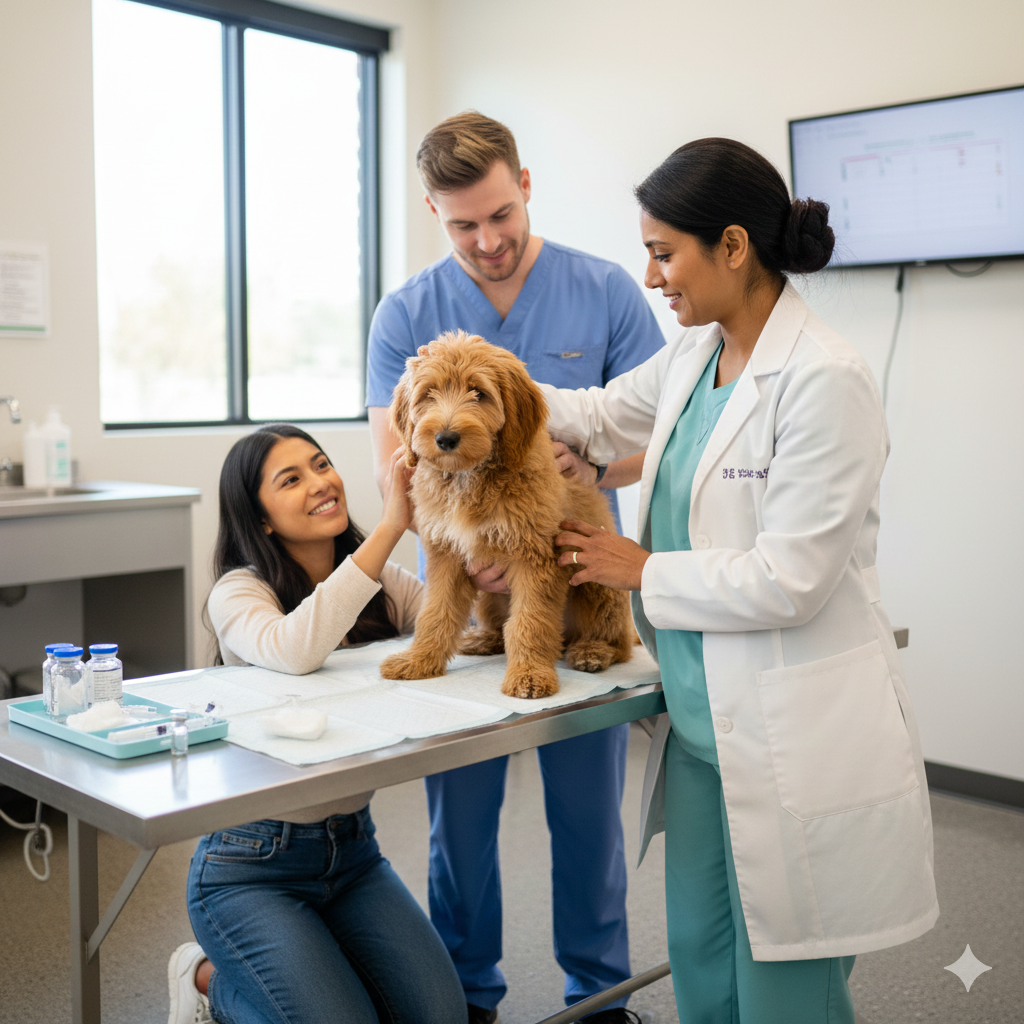
Veterinary medicine has evolved rapidly, and the surgical protocols we use in 2026 mirror the high standards found in human hospitals. A spay and neuter procedure at Country Creek Animal Hospital is a highly controlled event focused on safety, pain management, and rapid recovery.
Pre-Anesthetic Screening and Tailored Protocols
No two pets are the same. A 5-pound Yorkie from a quiet neighborhood near Watters Creek has different anesthetic needs than a 90-pound Golden Retriever. Before any surgery, we perform comprehensive bloodwork to evaluate organ function. This allows us to customize the anesthetic "cocktail," ensuring the liver and kidneys can safely process the medications.
Intraoperative Monitoring
During a spay and neuter procedure, the patient is never left alone. We utilize advanced monitoring equipment to track:
3. Behavioral Dividends: Protecting the Human-Animal Bond
While the medical benefits of a spay and neuter strategy are clear, the behavioral benefits are often what allow a pet to remain a harmonious member of an Allen household. Many of the behaviors that lead to pets being surrendered to shelters are hormonally driven.
Curbing the "Roaming" Instinct
In the sprawling suburban landscapes of North Texas, an intact pet’s desire to find a mate can lead to dangerous situations. Intact males, in particular, can be incredibly creative in finding ways to escape yards or slip through front doors when they sense a female in heat nearby. This "roaming" behavior frequently results in pets getting lost or being involved in traumatic accidents on busy local thoroughfares like Central Expressway. Neutering significantly reduces this biological drive, keeping your pet safely at home.
Territorial Marking and Aggression
Intact male dogs and cats are prone to territorial "marking"—the act of urinating on furniture, walls, or curtains to claim their space. Furthermore, the presence of high testosterone levels can lead to increased inter-dog aggression. By neutering, these behaviors are often drastically reduced or eliminated entirely, leading to a calmer, more focused companion.

4. Localization: The North Texas Environment and Recovery
The climate and lifestyle in Allen, TX present unique considerations for post-operative care. In 2026, we pay close attention to how our local environment affects a pet's healing process after a spay and neuter surgery.
Managing the Texas Heat
Recovery from surgery requires a cool, calm environment. During the peak of a Texas summer, it is critical that pets are kept strictly indoors in air-conditioned spaces. Heat stress can cause inflammation and slow the healing of the surgical site. Furthermore, the high humidity can sometimes make incisions "weep," making it essential for owners to keep the area dry and clean.
The "Backyard" Factor
Many homes in our community have large, fenced yards. While great for play, a pet recovering from a spay and neuter procedure must be restricted to "leash-only" potty breaks for at least 10 to 14 days. Running, jumping, or roughhousing in the yard can cause the internal or external sutures to fail, leading to a surgical "dehiscence" (opening of the wound) that requires emergency attention.
5. Timing the Procedure: A 2026 Perspective on Growth and Development
One of the most debated topics in modern veterinary circles is the "ideal" age to spay and neuter. While the traditional recommendation was six months, current research suggests that a one-size-fits-all approach is no longer appropriate.
Small vs. Large Breed Considerations
For small-breed dogs and most cats, the traditional six-month window remains the gold standard for preventing the first heat cycle and mammary tumors. However, for large and giant breed dogs, we now look closely at the relationship between sex hormones and growth plate closure. In some large breeds, waiting until the pet is closer to skeletal maturity (12 to 18 months) may help reduce the risk of certain orthopedic issues later in life.
At Country Creek Animal Hospital, we provide personalized consultations to determine the optimal timing for your specific pet. We weigh the risks of reproductive diseases against the benefits of musculoskeletal development, ensuring the spay and neuter plan is perfectly aligned with your pet’s needs.
6. Myth-Busting: Addressing Common Concerns
Despite being the most common surgeries in veterinary medicine, several myths persist regarding the spay and neuter process.
"My pet will get fat and lazy."
Surgery itself does not cause weight gain. However, the removal of reproductive hormones can lead to a slightly slower metabolism. In 2026, we work with Allen pet owners to adjust caloric intake and maintain active lifestyles post-surgery. A pet stays fit through proper nutrition and exercise, not through the presence of reproductive hormones.
"It’s better to let them have one litter first."
There is zero medical evidence to suggest that allowing a dog or cat to have a litter—or even one heat cycle—provides any health benefit. In fact, as mentioned previously, every heat cycle significantly increases the risk of mammary cancer. Furthermore, pregnancy and delivery carry their own set of medical risks, including dystocia (difficult labor) which can require emergency C-sections.
7. The Financial Logic: Prevention is Cheaper than Crisis
For families managing a household budget, the cost of a spay and neuter procedure is often a point of consideration. However, when viewed through the lens of long-term financial planning, these surgeries are remarkably cost-effective.
Avoiding Emergency Surgery
The cost of a preventative spay is a fraction of the cost of an emergency pyometra surgery. Emergency clinics in North Texas can charge several thousand dollars for the stabilization, surgery, and hospitalization required for an infected uterus. Similarly, treating mammary cancer or testicular tumors involves oncology consultations, chemotherapy, or intensive surgery, all of which far exceed the cost of early spay and neuter intervention.
Reducing Licensing and Maintenance Costs
Many municipalities and local organizations offer reduced registration fees for sterilized pets. Additionally, the costs associated with caring for an unplanned litter—including prenatal care for the mother, puppy/kitten vaccinations, and deworming—can quickly escalate into the thousands.
8. Post-Operative Care: Your Role in the Healing Process
The success of a spay and neuter procedure is a partnership between the veterinary team and the pet owner. The 14 days following surgery are critical.
The "Cone of Shame" (E-Collar)
While pets may protest, the Elizabethan collar is the most important tool in preventing post-operative infections. A dog’s mouth is full of bacteria, and even a few seconds of licking an incision can introduce infection or pull out sutures. In 2026, there are many comfortable alternatives, including soft cones and surgical onesies, that we can recommend for your pet’s comfort.
Pain Management
We utilize a multimodal approach to pain management. This includes local numbing agents used during surgery, as well as anti-inflammatory medications to be given at home. If your pet seems excessively lethargic or is not eating 24 hours after a spay and neuter procedure, it is vital to contact us immediately.
9. Technical Deep-Dive: Testicular and Ovarian Pathologies
For those interested in the clinical "why" behind spay and neuter procedures, we look at the specific conditions we are preventing.
Testicular Neoplasia and Prostatic Disease
In male dogs, neutering eliminates the risk of testicular cancer. While often treatable if caught early, these tumors can be painful and may metastasize. More importantly, neutering is the primary treatment for Benign Prostatic Hyperplasia (BPH). As intact male dogs age, their prostate gland naturally enlarges, which can cause difficulty with urination and defecation. Neutering causes the prostate to shrink, resolving these issues without the need for lifelong medication.
Ovarian Cysts and Torsion
Though less common than pyometra, intact females can develop ovarian cysts that cause hormonal imbalances and persistent heat cycles. In rare cases, the ovary can undergo torsion (twisting), which is an acute surgical emergency. A standard spay and neuter plan removes these possibilities entirely.
10. The Community Impact: Allen's Animal Population
Choosing to spay and neuter your pet is also an act of community responsibility. Even the most careful owner can experience an accidental escape.
Reducing Shelter Burden
Each year, local shelters in the North Texas area are tasked with caring for thousands of unwanted animals. A single unspayed female dog and her offspring can theoretically produce dozens of puppies in just a few years. By ensuring your pet is sterilized, you are directly contributing to a reduction in the homeless pet population, ensuring that shelter resources can be used for animals truly in need.
The "Stray" Attraction
Intact pets in a neighborhood can attract strays. A female in heat will emit pheromones that can be detected from miles away, drawing intact roaming males to your property. This can lead to fights between dogs or damage to fences and landscaping as roaming animals try to gain access to your yard.
11. Specialized Cases: Cryptorchidism and Umbilical Hernias
Sometimes, a spay and neuter appointment reveals or addresses other health issues.
The Undescended Testicle (Cryptorchidism)
In some male pets, one or both testicles fail to descend into the scrotum, remaining in the abdomen or the inguinal canal. These undescended testicles are at a much higher risk for becoming cancerous because of the higher internal body temperature. A neuter surgery for a cryptorchid pet is more involved—similar to a spay—but it is medically necessary to prevent future malignancy.
Concurrent Hernia Repair
It is common for puppies and kittens to have small umbilical hernias (a small hole in the abdominal wall near the belly button). During a spay and neuter procedure, we can easily repair these hernias under the same anesthetic event, saving the pet from a second surgery later in life.
12. Conclusion: A Foundation for a Healthy Future
In 2026, the bond we share with our pets is stronger than ever. They are members of our families, and their health is a priority. The decision to spay and neuter is not just a checkbox on a list of puppy chores; it is a foundational medical choice that protects your pet from some of the most common and devastating diseases in veterinary medicine.
At Country Creek Animal Hospital, we are committed to providing the families of Allen, TX with surgical excellence rooted in compassion and technical precision. We don't just perform surgeries; we manage the wellness of your companion through every stage of their life. By choosing to spay and neuter, you are giving your pet the gift of a longer, safer, and more comfortable life.
As you plan your pet's wellness journey, remember that early intervention is the key to longevity. We invite you to visit our Homepage to learn more about our comprehensive approach to pet health, and we look forward to partnering with you in the care of your beloved companion.